
A well-chosen dress solves the “what to wear” dilemma while expressing personal style. Understanding core silhouettes helps build a versatile wardrobe that serves your actual lifestyle rather than aspirational fantasies.
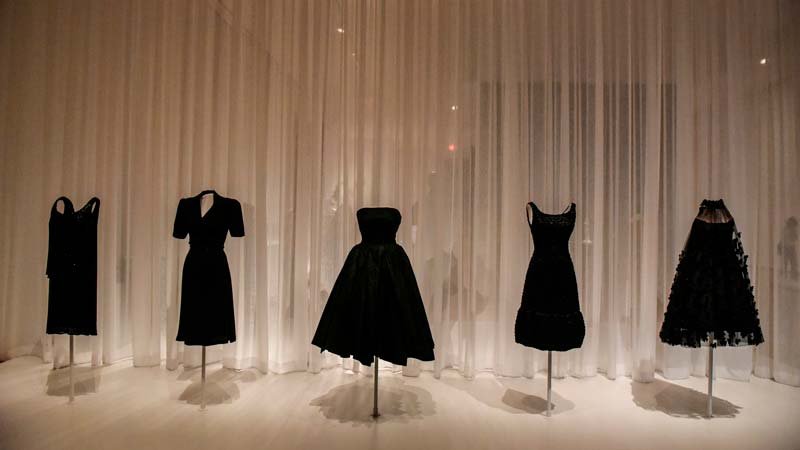
The little black dress
Coco Chanel revolutionized fashion in 1926 by transforming black from mourning wear into sophisticated everyday attire. The black dress remains the most versatile wardrobe investment due to its adaptability. It transitions seamlessly from office meetings with a cotton embroidered jacketto evening events with statement jewelry. Choose your version based on lifestyle: a knee-length sheath for corporate environments, or a black floral dress for creative settings.
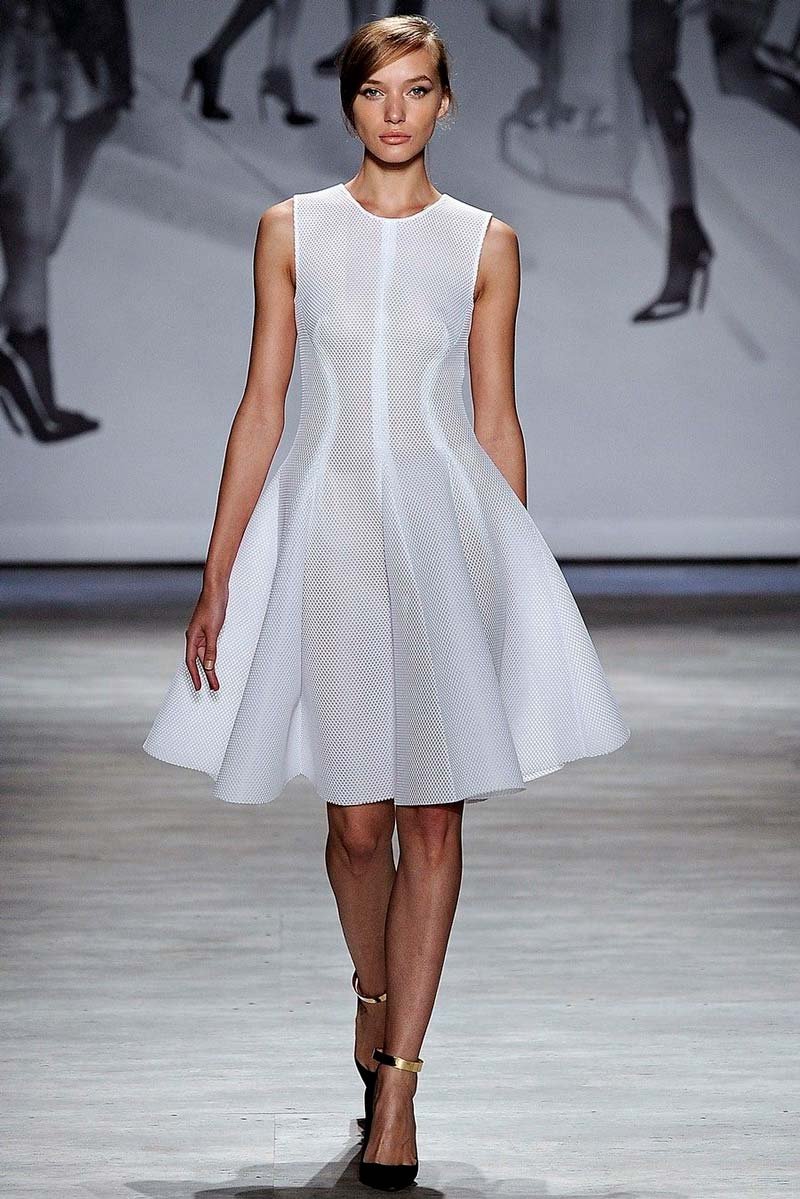
A-line silhouette
The A-line demonstrates perfect design logic: fitted through shoulders and bust, gradually widening toward the hem. This creates natural balance across body types without restrictive undergarments. The fitted bodice provides structure while the flared skirt allows comfortable movement. Winter versions in wool pair with tights and boots; summer interpretations in linen keep you cool while maintaining polish.

Maxi dress
Floor or ankle-length dresses create instant drama through proportion alone. Fabric selection dramatically affects the overall effect: jersey knit for casual weekends, silk for evening events, cotton for warm-weather breathability. Style with flat sandals for bohemian vibes or heels for formal occasions. Wide belts define the waist and break up the long vertical line.
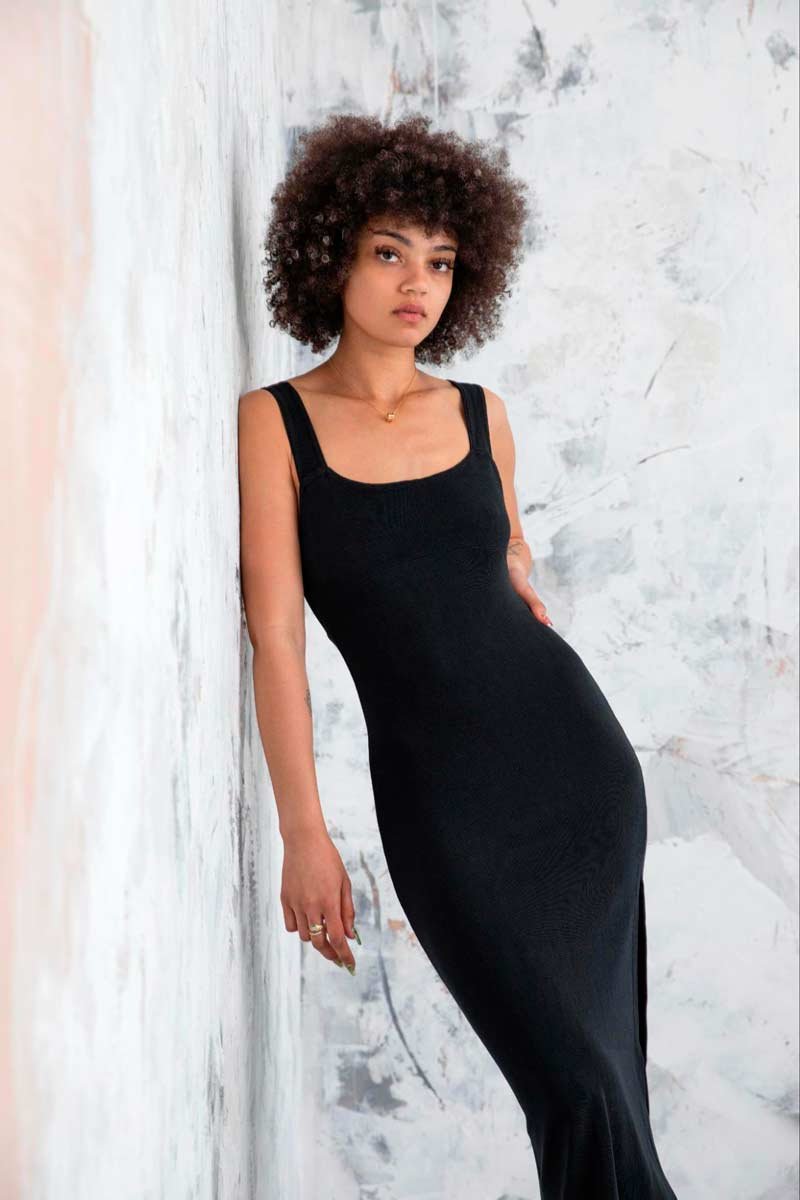
Bodycon style
Body-conscious dresses celebrate natural curves through strategic construction using stretch fabrics. These fitted styles project confidence and intentionality when styled correctly. The dress makes the statement, so accessories should remain simple. Minimal jewelry and classic shoes let the silhouette shine—layer with structured blazers for professional settings.
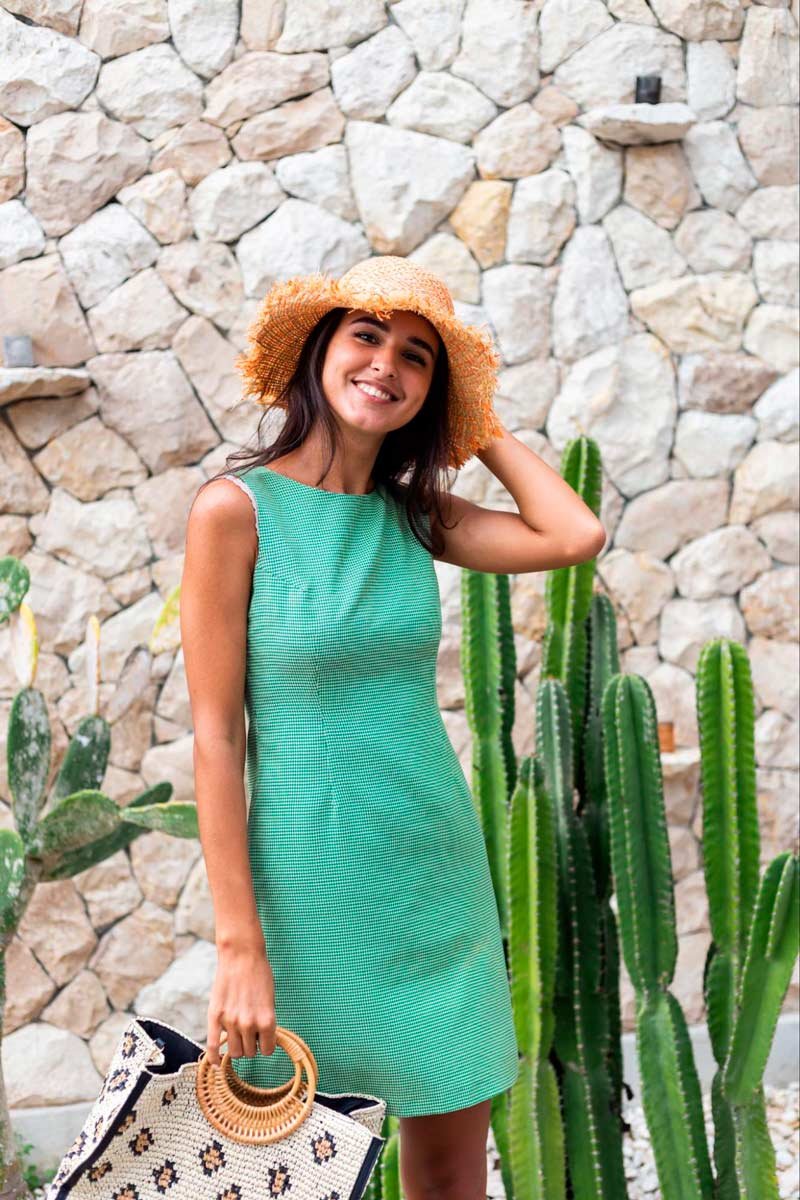
Shift dress
This boxy, straight-hanging silhouette emerged in the 1960s as architectural fashion that prioritized structure over embellishment. The shift provides a clean backdrop for statement accessories, making it ideal for women who want jewelry or bags as focal points. Its structured shoulders and defined hemline read as polished in professional environments without overtly feminine details. Pair with blazers for meetings or style with bold accessories for creative settings.
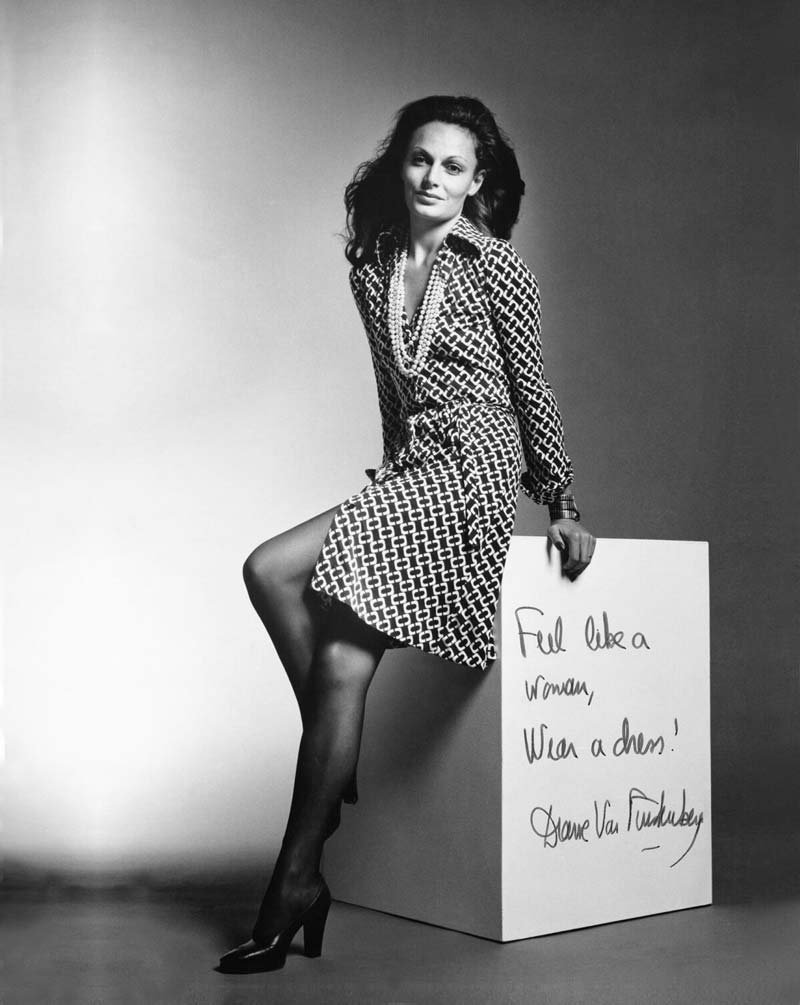
Wrap dress
Diane von Fürstenberg created this revolutionary design in 1974, solving how to flatter various body types without complex sizing. The deep V-neckline elongates the torso, while the wrap closure creates customizable waist definition. This combination creates an hourglass illusion regardless of natural shape. Modern interpretations experiment with sleeve lengths and fabrics while maintaining the signature wrap closure.
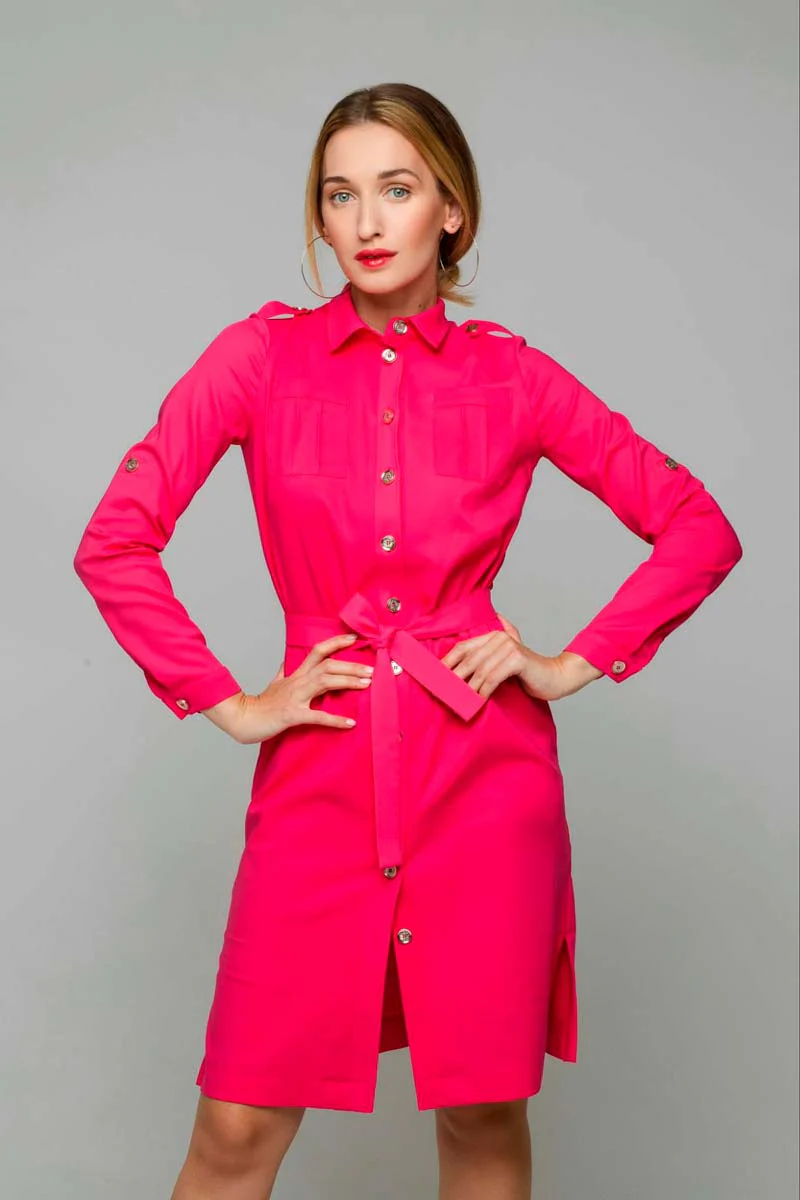
Shirt dress
Menswear-inspired tailoring details (pointed collars, button plackets, crisp fabrics) translate into feminine silhouettes. The button-front allows neckline customization, while self-tie belts define the waist and add visual interest. Casual versions in chambray work for weekends with sneakers; crisp poplin creates office attire with loafers. Evening interpretations in silk pair beautifully with statement earrings.
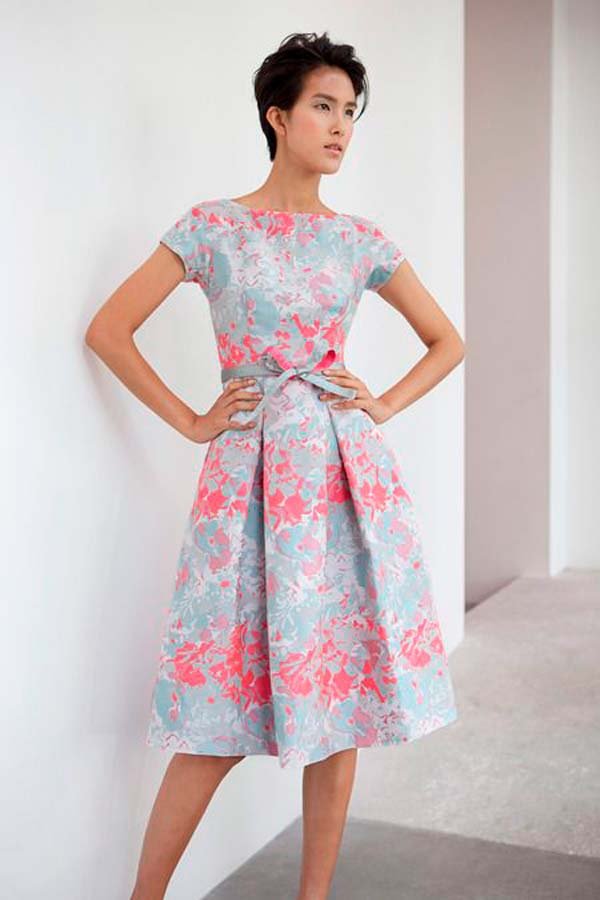
Fit-and-flare
Fitted through the bodice and flaring dramatically from the waist, this silhouette celebrates movement and femininity. The precise bodice fit creates foundation while the full skirt provides satisfying volume. Wedding guests favor this style for its photogenic qualities and comfortable dancing. The design easily accommodates embellishments like lace or beading without becoming overwhelming.
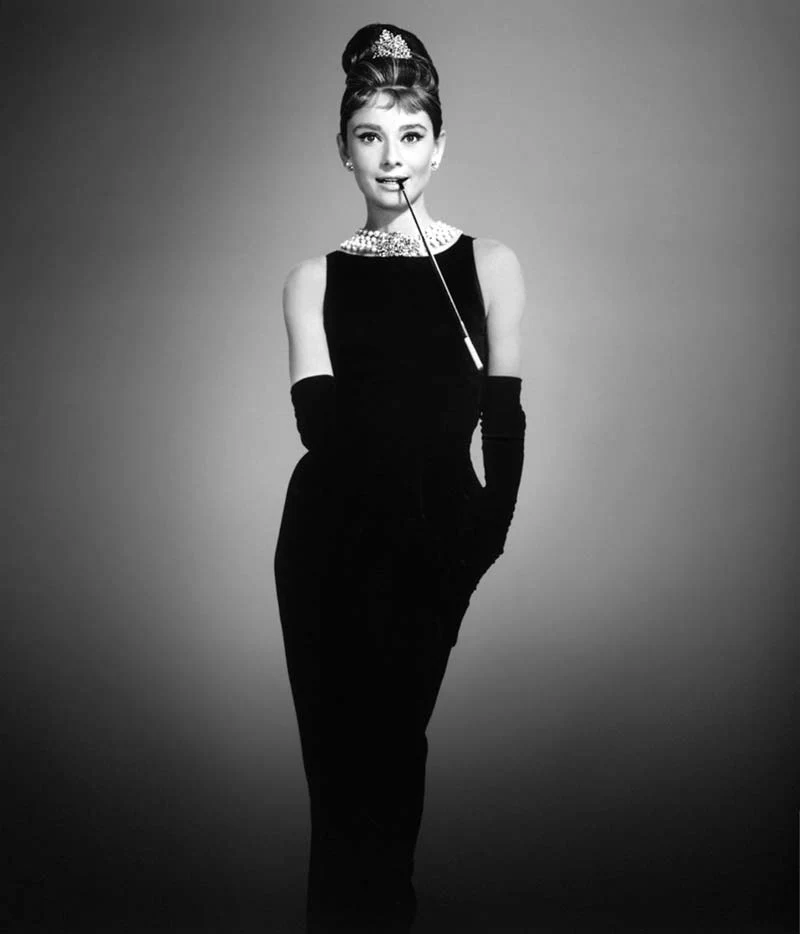
Sheath dress
This slim, tailored silhouette communicates corporate competence without distraction. Princess seams create shape without darts, while quality fabric weight ensures proper draping. The clean lines read as intentional and professional. Strategic styling transforms the basic sheath for different contexts: add blazers for meetings, style with pumps for interviews.
Midi length
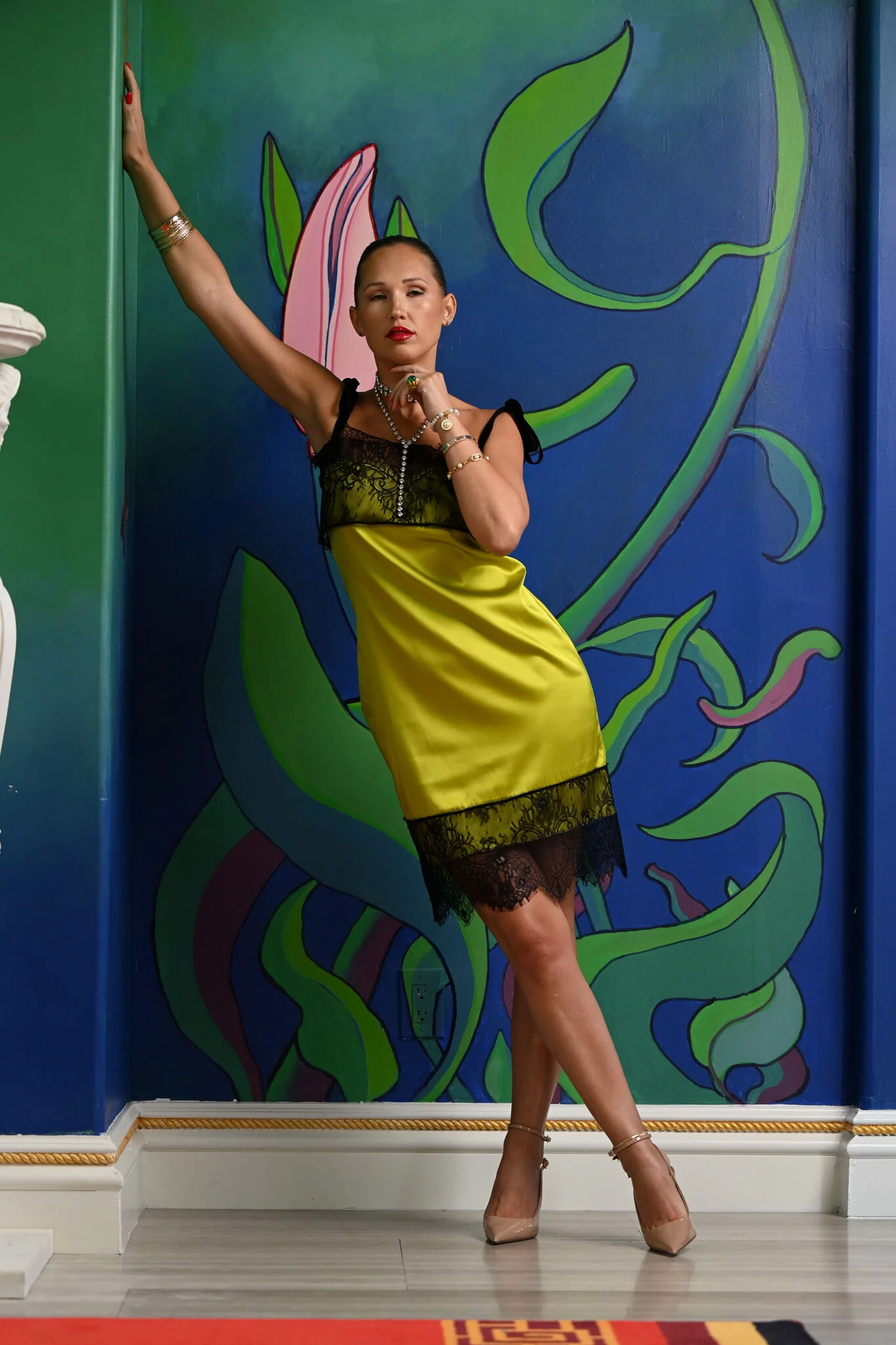
Falling between knee and ankle, typically at mid-calf, the midi creates visual balance flattering most body types. This versatile length adapts to various styles: flowing florals for romance, fitted knits for modern edge, pleated versions for texture. Footwear matters significantly; heeled sandals or booties show ankle while tall boots provide full coverage. Avoid cutting the leg line at the widest calf point.
T-shirt dress
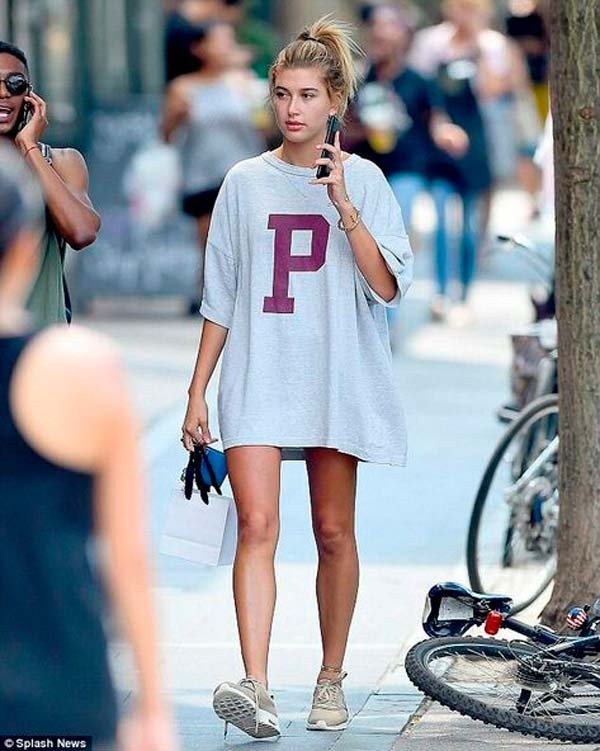
Made from soft jersey cotton with maximum stretch, this style offers loungewear comfort with public-appropriate structure. Style variations transform the neutral foundation. Leather jackets and boots create edge, belts with loafers generate smart-casual looks. These dresses pack easily, wash quickly, and work across seasons with appropriate layering.
Slip dress
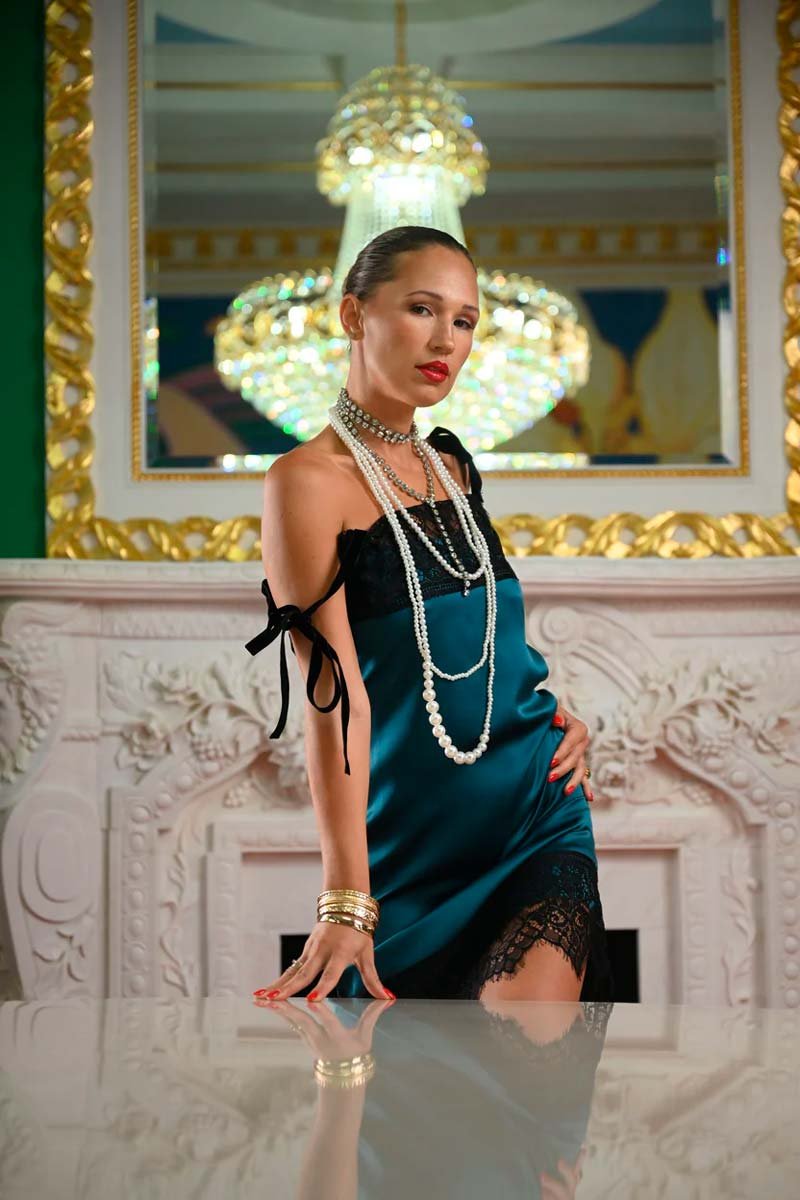
Minimalist styles with thin straps and bias-cut fabrics dominated the 1990s before returning recently. Modern versions feature improved fabric technology creating beautiful drape with less maintenance. Contemporary styling treats slip dresses as layering pieces: over turtlenecks for cool weather, under blazers for professional settings, or loosely over jeans for unexpected visual interest.
Halter neckline
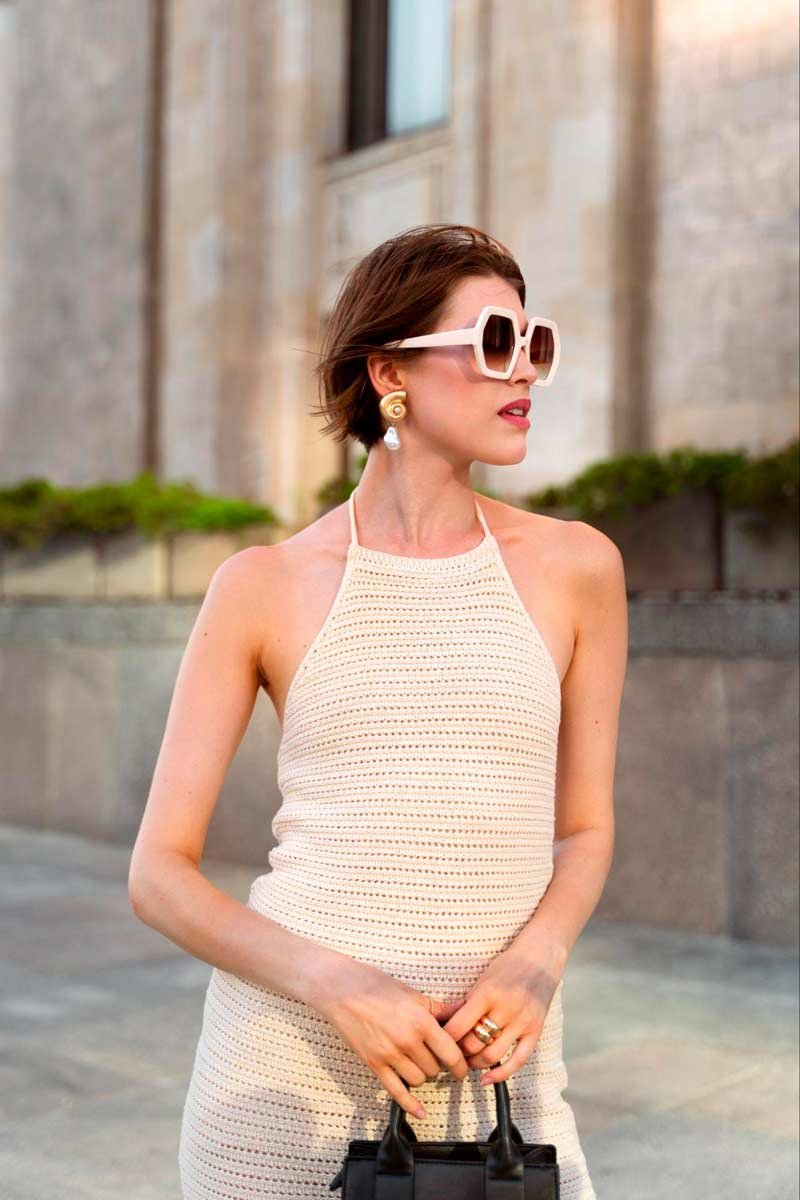
Straps wrapping around the neck create sculptural, athletic elegance while leaving shoulders and back bare. Quality construction includes interior boning for support and carefully placed closures for smooth lines. Style with hair worn up to showcase the architectural neckline, and choose statement earrings over necklaces.
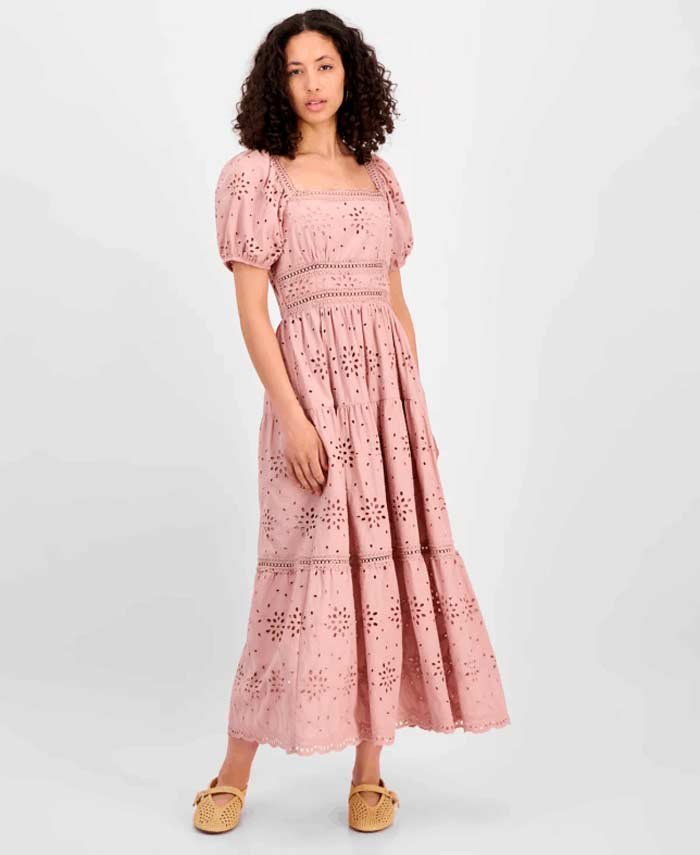
Smocked dress
Gathered elastic or shirred fabric at bust or waist creates trapeze-like silhouettes that drape softly. This construction provides natural stretch accommodating various sizes comfortably. The forgiving fit works beautifully during body changes while maintaining modest coverage. Loose silhouettes keep you cool in warm weather.
Building your wardrobe
Start by honestly assessing your calendar and activities rather than aspirational scenarios. If you attend three formal events annually, extensive formal collections make little sense. Prioritize quality over quantity: three well-constructed dresses in versatile cuts serve better than ten cheaper versions that lose shape quickly. Personal style develops through experimentation and self-knowledge. Choose garments that genuinely suit your needs regardless of current trends.