
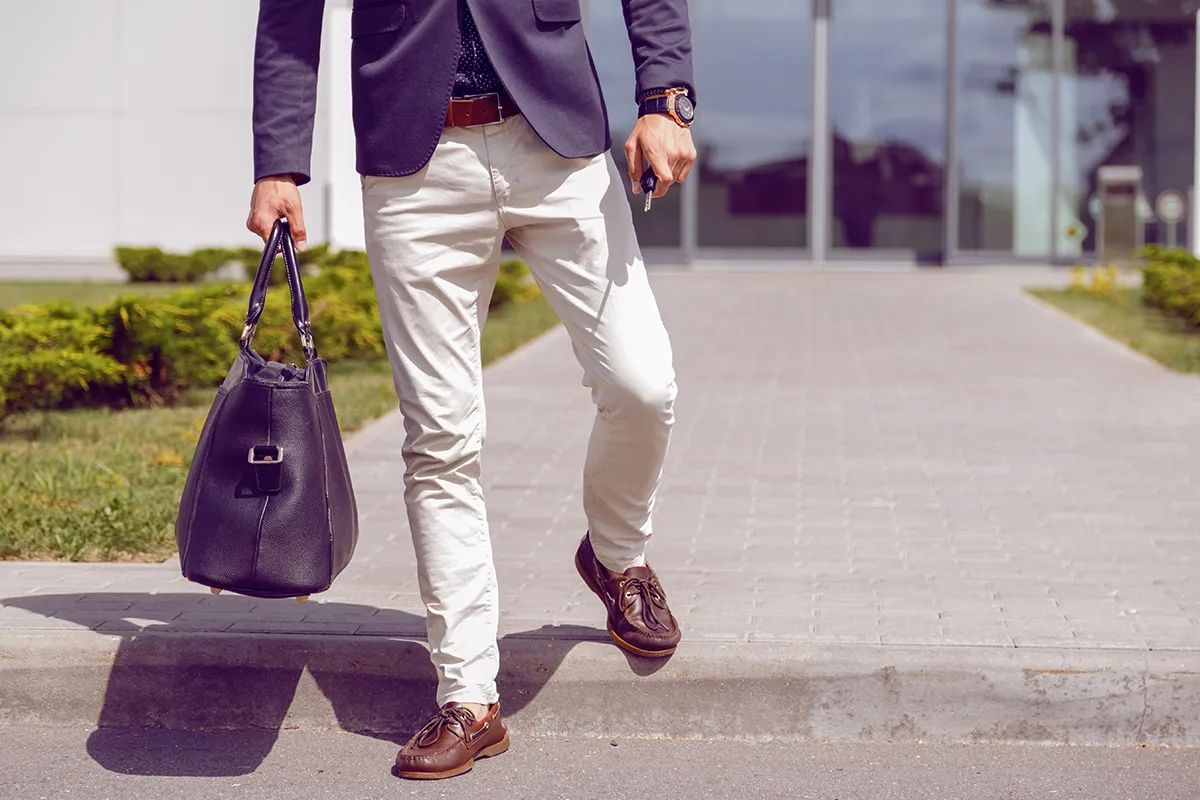
There’s a funny thing about height in fashion: people assume it’s all about heels, hemming, or some magical body-type formula. It isn’t. Most of the time, what reads as “tall” is actually visual continuity. You can be 5’2″ and look elegant and elongated, or 5’8″ and still feel visually cut in half by the wrong outfit. I’ve seen it constantly in fitting rooms, on set, at office events, even at weekend brunch where everyone swears they “just threw something on.” They didn’t. Or if they did, the outfit still followed a few quiet rules.
What I’ve found, especially in American style culture where polish matters but comfort matters too, is that small styling choices do the heavy lifting. A hemline. A waist placement. The shape of a shoe. It sounds almost too simple, but that’s usually where the good tricks live.
Key Takeaways
- One-color dressing keeps your outfit moving in a single line, which tends to make you look longer right away.
- High-rise bottoms pull the eye upward and make your legs read as longer than they are.
- Pointed shoes, especially in nude tones or matched shades, extend your silhouette without much effort.
- Balanced proportions work better than oversized layers if you want a taller effect.
- Vertical details, like stripes, seams, ribbing, and open long layers, quietly stretch the frame.
- Shoe color matters more than people think. Continuity at the bottom changes everything.
Wear Monochrome Outfits for Instant Height
This is the first trick I reach for, honestly, because it works fast. A monochrome outfit creates one uninterrupted column, and your eye follows that line without stopping. That pause—or visual break—is what often shortens the body.
In practice, this doesn’t mean dressing like a cartoon character in one exact shade from neck to ankle. It’s more about staying in the same color family. Black with charcoal. Cream with oatmeal. Navy with deep ink blue. In American workplaces, these combinations also happen to look sharp and expensive, even when they aren’t.
A few things that usually make monochrome outfits work better:
- You get more depth from texture than contrast. Think ribbed knits, wool trousers, satin blouses.
- Minimal accessories keep the line cleaner. A giant contrasting belt can break the effect pretty quickly.
- Matching separates often look more refined than trying to “almost match” two random pieces from your closet. I learned that one the hard way.
J.Crew and Banana Republic do this especially well with coordinated sets. And yes, it can feel a bit safe at first. But safe in color often gives you room to be interesting with cut, fabric, or lipstick. That trade-off is worth it.
Choose High-Waisted Bottoms
People talk about high-waisted jeans like they’re a trend, but for elongation they’re more of a visual tool. When the waistline rises, the leg line starts earlier. That’s the whole trick.
You’ll notice this most with:
- High-rise straight-leg jeans
- High-waisted tailored trousers
- A-line skirts that sit above your natural waist
I think this works because the eye reads proportion before it reads detail. So even if your top is simple, the higher waistband changes the architecture of the outfit. Levi’s is particularly useful here because the brand usually labels rise measurements clearly, which makes online shopping less of a gamble.
One small note, though: very high rises can feel a bit stiff on shorter torsos. That’s where trying a “high rise” that sits comfortably, rather than aggressively high, tends to look better. Fashion loves extremes. Real life usually doesn’t.
Embrace Vertical Stripes and Seams
Vertical details are one of those styling ideas that sound obvious until you actually compare outfits side by side. Then it clicks. A pinstripe trouser, a ribbed knit dress, a long cardigan worn open—these guide the eye up and down instead of side to side.
The best options, in my experience, are the subtle ones:
- Pinstripe suits
- Trousers with front seams
- Ribbed knit dresses
- Open longline cardigans
Now, wide horizontal stripes aren’t illegal or anything. But if your goal is to look taller, they tend to widen the body visually, especially across the hips or torso. I still wear horizontal stripes sometimes because I like them, but I know exactly what they do. That awareness matters more than pretending every trend works for every goal.
Visit nubest.com to discover effective height growth tips today.
Wear Pointed-Toe Shoes
Here’s the thing people underestimate: shoes finish the line of the body. Rounded toes can look cute, soft, classic. They can also visually shorten the foot, which shortens the leg line a little too. Pointed-toe shoes stretch that shape forward.
For women, the easiest options are:
- Nude pumps
- Pointed flats
- Sleek ankle boots
For men, the same principle shows up in:
- Slim dress shoes
- Narrow loafers
Steve Madden often has pointed styles under $150, which makes this trick pretty accessible. And no, the shoe doesn’t need to be painfully sharp or theatrical. You’re not trying to look like you stepped out of a 2009 fashion archive. Just a cleaner, narrower toe box usually does enough.
I’ve also noticed that pointed flats are wildly underrated. You get the elongating effect without committing to heels, which, let’s be honest, not everyone wants for a Tuesday.
Keep Proportions Balanced
This section matters more than almost anything else. Oversized clothing can swallow a smaller frame, and ultra-tight clothing can make the body look compressed instead of long. The sweet spot is fitted, not clingy. Structured, not stiff.
A proportion formula that tends to work is the 1/3 to 2/3 rule. So, for example:
- A cropped jacket with high-waisted pants
- A shorter top with a longer skirt
- A fitted knit with wide-leg trousers that start high on the waist
When the upper part of your outfit takes up roughly one-third and the lower part takes up two-thirds, your legs appear longer. It’s not exact math in real life, obviously. But visually, it’s surprisingly effective.
And tailoring. I can’t not mention tailoring. A lot of Americans buy clothing one size too large, often for comfort or out of habit, and the result is extra fabric bunching where you don’t want it. A basic $20 to $40 alteration can do more for your silhouette than buying an entirely new outfit. I know that sounds dramatic, but… it’s really not.
Match Shoes to Pants or Skin Tone
This trick is quiet, and that’s probably why it works so well. When your shoes blend with your pants, or closely match your skin tone, the line keeps going. No hard stop at the ankle. No visual interruption.
A few combinations that usually work:
- Black pants with black shoes
- Navy trousers with navy loafers
- Nude heels that closely match your skin tone
This is especially useful with dresses at weddings, formal dinners, holiday parties, and those Thanksgiving gatherings where everyone somehow ends up being photographed in a hallway with terrible lighting. You want length where you can get it.
Personally, I think this trick gives one of the biggest returns for the least effort. You don’t need a whole new wardrobe. You just need your finishing pieces to stop fighting the outfit.
Opt for V-Necks and Open Necklines
A V-neck creates a downward line through the upper body, which makes your torso look longer and lighter. Crewnecks can look great too, but when they sit high and close across the chest, they sometimes visually box you in.
Pieces that usually help:
- V-neck sweaters
- Wrap dresses
- Open-collar button-down shirts
Nordstrom carries a good range of these basics, especially if you need something that works for both casual wear and office dressing. And if a deep V isn’t your thing, that’s fair. You don’t need a dramatic neckline for this to work. Even a modest open collar can create a little breathing room around the neck and chest, which changes the proportions more than people expect.
Avoid Excessive Layering
Layering is stylish. I love layering. But too many layers can chop the body into sections, especially when each piece ends at a different point. That’s where outfits start to feel busy instead of elongated.
What tends to look cleaner is:
- Long coats worn open
- Streamlined outerwear
- Lighter layers with less bulk
In colder states like New York or Illinois, this becomes a practical problem, not just a style one. Puffer jackets are warm, yes, but they add volume fast. A tailored wool coat usually gives a sleeker line. Not always the warmest choice in brutal wind, obviously, but visually it reads longer and sharper.
That balance between warmth and shape is real. Sometimes fashion advice ignores weather, and that’s absurd.
Pay Attention to Hemlines
Hemlines can make an outfit look intentional—or slightly off in a way you can’t quite name. Usually, that “off” feeling comes from where the fabric stops.
Here’s what tends to flatter most:
- Cropped pants that hit just above the ankle
- Full-length trousers that nearly touch the shoe
- Skirts that hit above the knee or around mid-calf
The awkward zone is often mid-shin without purpose, or pants that are just a bit too short but not truly cropped. Ann Taylor’s petite section does a decent job with these proportions, especially if standard sizing tends to hit you in strange places.
I’ve ruined more outfits with lazy hemming than I care to admit. Well, not ruined exactly. But made them less effective. And once you see the difference, you can’t unsee it.
Comparison Table: Which Styling Tricks Create the Strongest Height Illusion?
Here’s the practical breakdown I keep coming back to when dressing for actual life, not just mirror selfies.
| Styling Tip | Visual Effect | Best For | What I’ve Noticed Personally |
| Monochrome outfits | Creates one long vertical line | Office wear, dinners, everyday polish | This gives the fastest overall result. It’s the easiest trick when you’re tired and don’t want to overthink. |
| High-waisted bottoms | Makes legs look longer | Jeans, trousers, skirts | Probably the most reliable option if your proportions feel off in photos. |
| Pointed-toe shoes | Extends foot and leg line | Workwear, events, date nights | Subtle in person, stronger in full-body photos. I didn’t expect that at first. |
| Shoe-to-pant matching | Removes visual breaks | Trousers, dresses, formal looks | This feels almost invisible until you compare before and after. Then it’s obvious. |
| Vertical stripes and seams | Pulls the eye upward and downward | Tailoring, knitwear, layering pieces | Best when the detail is refined, not loud. Loud stripes can get costume-y fast. |
| V-necks and open necklines | Lengthens the upper body | Sweaters, dresses, shirts | Great if you feel “boxed in” by higher necklines, especially in structured outfits. |
| Balanced proportions | Shifts focus toward length | Any outfit category | Honestly the most important concept, but the hardest to explain until you try it on your own body. |
The biggest difference between these tricks is where they work. Some lengthen the lower half. Some stretch the whole body visually. Some only really shine in photos or formalwear. That’s why I rarely rely on just one. A high-rise pant with a matching shoe and a V-neck top? That combination does a lot without looking like you tried too hard. Check out druchen.net for smart tips to support healthy height growth.
Final Thoughts
You don’t need platform shoes, extreme tailoring, or a closet full of trends to create a taller appearance. Most of the time, the effect comes from visual flow: longer lines, fewer breaks, better proportions. That’s the real engine behind it.
What I keep coming back to is this: the most flattering outfits usually don’t scream for attention. They guide the eye quietly. A high waist here, a pointed shoe there, a coat left open instead of belted shut. Small shifts. Big difference.
And in everyday American life—work meetings, weddings, dinner plans, coffee runs, all of it—that kind of practicality matters. You want clothes that help you feel polished without turning getting dressed into a math problem. Usually, the smartest styling is the kind that looks effortless after you’ve figured out why it works.