
Four Highlights of India
India is one of the largest countries in the world, and travel here can feel overwhelming at first. Distances are long, landscapes shift from deserts to beaches to mountains, and the rhythm of life changes from one state to another. A single trip can take you through several different worlds, each with its own climate, culture and pace.
First-time visitors often underestimate how much variety India holds. The weather can be dry in one region and humid in another at the same time of year. Some areas invite slow days by the water, while others ask for energy and preparation in high mountains. Planning is less about seeing everything and more about finding the right balance between movement and rest.
The four regions below shows just how wide this range can be. Each offers a different side of India and calls for its own way of traveling.
Rajasthan
Rajasthan offers the classic image of palaces, forts, and arid landscapes. Many first-time visitors follow a route linking Jaipur, Jodhpur, and Udaipur, while Jaisalmer is often added for its desert views and golden sandstone havelis.
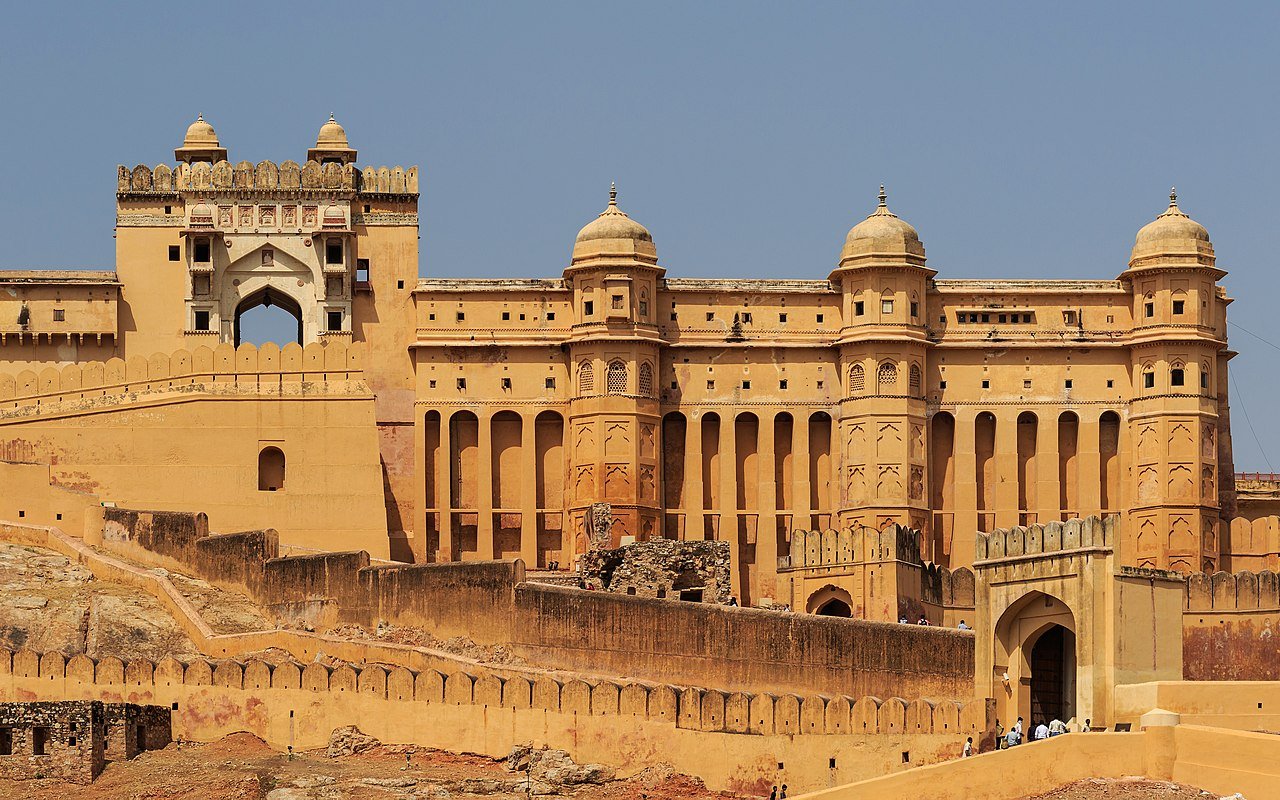
In Jaipur, Amber Fort and the City Palace reflect Rajput history. Jodhpur’s Mehrangarh Fort rises above an old town of blue houses. Udaipur’s lakes shift with the light, and many travelers stay longer to enjoy the slower pace. Jaisalmer lies farther away, but its fort and nearby dunes make the journey worthwhile. Desert camps range from simple to luxury, with the night skies as the main highlight.
Shopping is part of travel in Rajasthan. Textiles, block prints, and metalwork are everywhere, but quality differs, so it is best to compare and ask if items are handmade or machine-made. The food is hearty, with plenty of vegetarian dishes.
If you plan a loop, you can search for the best tour in Rajasthan and then adjust it to your own pace. The key is not how many cities you visit, but how much time you leave for quiet afternoons and evening walks.
Goa
Goa has a beach rhythm that shifts with the season and the coast. The north is lively and social. Baga and Calangute are crowded, while Anjuna and Vagator still attract a mix of visitors. The south is quieter, with Palolem, Agonda, and Betalbatim offering calmer seas and peaceful evenings.

Portuguese history is visible in Old Goa’s churches and in the local food. Fish curry with rice is the everyday dish. Many cafes welcome remote workers during the busy season. Renting a scooter is common, but roads are small and wet when it rains. A helmet and short test ride help before setting off.
Places to stay range from basic guesthouses to restored houses and modern hotels. If you plan to travel along the coast, staying once in the north and once in the south helps reduce long transfers.
Ladakh
Ladakh is a high plateau where the altitude affects everything. Flights operate from Delhi, with many flights every day. After arriving in Leh, it is best to spend two quiet days. Take short walks, eat light meals, and drink plenty of water. Many visitors start with visits to monasteries and nearby villages before making longer trips.
Nubra Valley is famous for its villages lined with poplar trees, wide sand dunes and old connections to the Silk Route. Pangong Lake and Tso Moriri shimmer in shifting shades, changing color with the light and sky. Some areas require permits, which your hotel or travel agency can easily arrange.

Trekking is one of the main reasons to visit Ladakh. The Markha Valley trek is the most popular, with varied scenery and homestays along the way. The Sham Valley is easier, with shorter walking days and lower passes. Those seeking wilder landscapes can head toward Changthang, where the routes demand greater fitness and careful planning. If you are comparing options, look up the best treks in Ladakh and study the day-by-day profiles. It is easy to organise tours in Ladakh covering the region’s villages, monasteries and landscapes.
Kerala
Kerala is a coastal state, rich in greenery and marked by a warm, humid climate. The backwaters near Alappuzha and Kumarakom are a slow network of canals and lagoons. Houseboats range from simple to very stylish. You can also choose a day cruise and sleep in a hotel on land.
Kochi is the usual entry point. Fort Kochi has Chinese fishing nets, murals and small museums. Contemporary art has a presence here and walking between galleries is part of the visit. Up in the hills, Munnar’s tea estates roll over the slopes. Light hikes and viewpoints are easy to arrange.
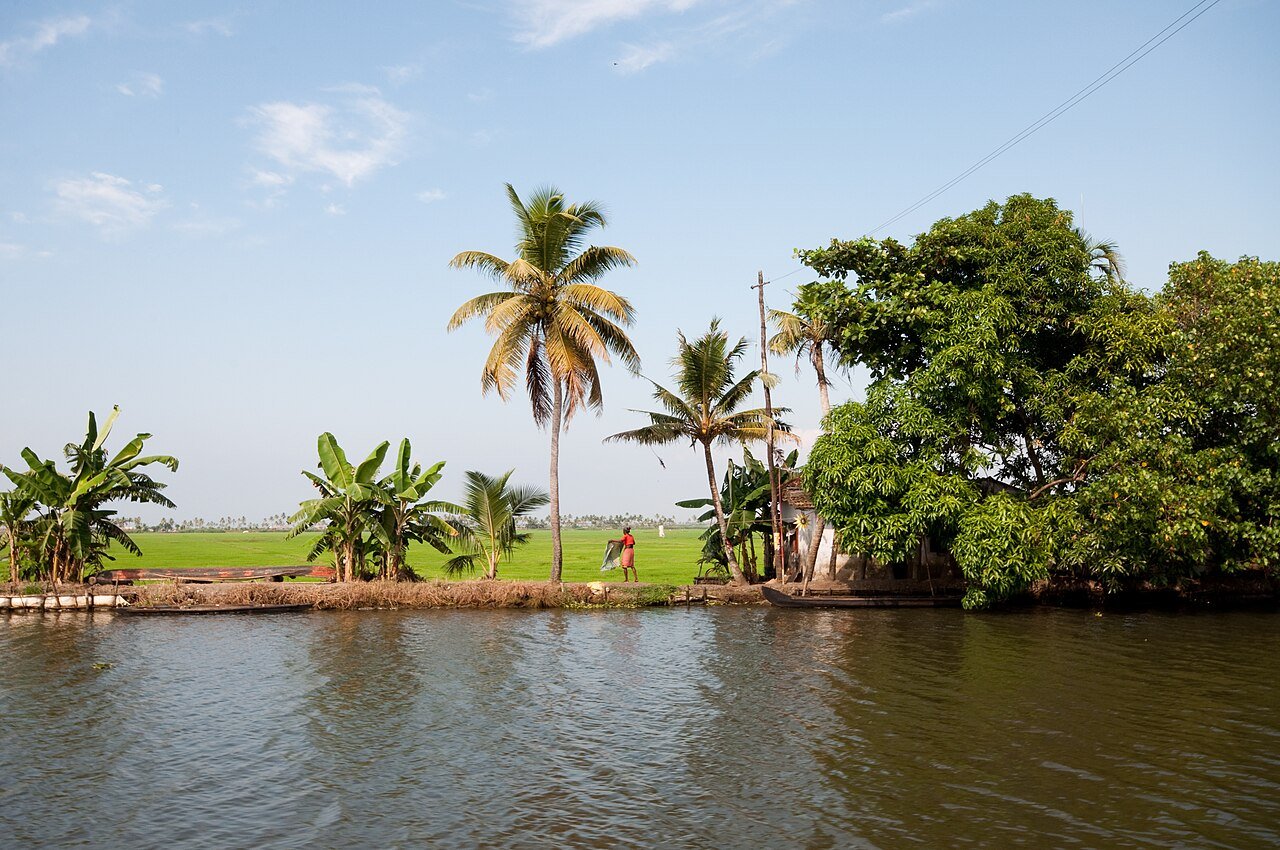
Food plays a big role, shaped by coconut, seafood and spices. Many visitors try a traditional vegetarian meal served on a banana leaf. Ayurveda treatment is widely advertised. If you are interested, choose a clinic with licensed doctors and be clear about length and expectations.
Conclusion
Rajasthan is known for its grand architecture and history. Goa offers relaxed beach days and a slower pace. Ladakh is about high mountains and wide views. Kerala combines backwaters, hills and culture in close reach. There is no single destination that suits all travelers. The right choice depends on the season, your pace and the type of days you are looking for.