
How to Choose a Fall Hair Color That Complements Your Skin Tone
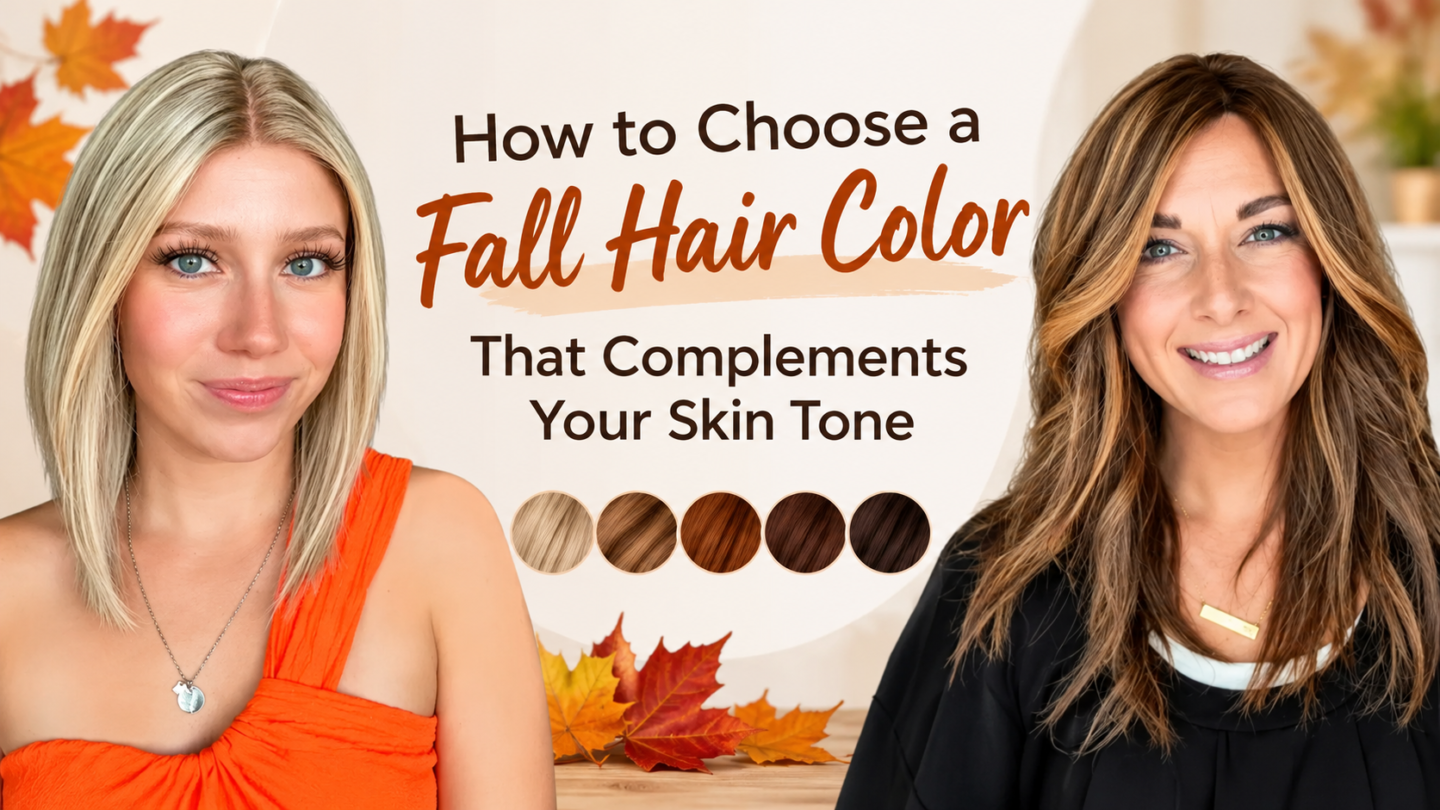
Fall is the perfect season to refresh your hairstyle. As the weather gets cooler, rich brunette shades, soft copper tones, and natural-looking blondes become popular choices. But before picking a new color, it helps to understand which shades work best with your skin tone.
The right hair color can brighten your complexion, complement your natural features, and make your overall look feel more balanced. Whether you want a subtle change or a completely new style, these tips can help you find a fall hair color that suits you.
1. Start by Understanding Your Skin Undertone
Your skin tone and undertone are both important when choosing a hair color. While your skin tone describes how light or deep your complexion is, your undertone refers to the subtle color beneath the surface of your skin.
Most undertones fall into three categories:
Warm undertones: Your skin may have golden, peachy, or yellow hints.
Cool undertones: Your complexion may have pink, red, or bluish hints.
Neutral undertones: Your skin has a balance of warm and cool tones.
If you’re unsure about your undertone, try comparing gold and silver jewelry against your skin in natural light. Gold may complement warm undertones, while silver often looks especially flattering on cool undertones. If both look good, you may have a neutral undertone.
These are only general guidelines. Your natural hair color, personal style, and the contrast you prefer also play a role in finding the right shade.
2. Best Fall Hair Colors for Warm Undertones
If your skin has warm undertones, consider hair colors with golden, reddish, or caramel hues. These shades can complement your complexion without creating too much contrast.
Here are some options worth trying:
Chocolate Brown: A deep, rich shade that works well for everyday wear.
Caramel Brown: A warm brown with golden highlights that add dimension.
Chestnut Brown: A classic brunette shade with subtle reddish tones.
Honey Blonde: A golden blonde that brings warmth to your overall look.
Soft Copper: A gentle red shade for anyone who wants something a little different.
If you prefer a brunette look, chocolate brown is a versatile starting point. For example, UniWigs 573R Chocolate Hazel Brown combines a rich brown base with subtle reddish-brown undertones. It offers warmth and depth without looking overly red.
You don’t need to choose a dramatic color to refresh your appearance. Even a small shift toward a warmer shade can make your fall hairstyle feel new.
3. Best Fall Hair Colors for Cool Undertones
Cool undertones often pair well with shades that have ash, beige, or taupe hues. These colors can create a softer look without adding too much gold or orange.
Consider these options:
Ash Brown: A muted brown with cool gray undertones.
Mushroom Brown: A balanced mix of brown, beige, and ash.
Cool Espresso: A deep brown that looks rich without appearing overly warm.
Cool Beige Blonde: A softer blonde option for those who prefer neutral or ashy tones.
If warm brown shades tend to look too red on you, mushroom brown may be a better choice. UniWigs 572R Mushroom Beige Brown is a lighter brown shade with subtle ash and taupe tones, making it an option for anyone who prefers a cooler brunette look.
When choosing between warm and cool colors, think about the effect you want. Warm shades can create a golden glow, while cooler shades tend to look more muted and understated.
4. Fall Hair Color Trends Worth Trying
Seasonal trends can provide inspiration, but the best color is one that suits your features and makes you feel comfortable.
Some fall hair color ideas include:
Mocha Brown
Inspired by the color of coffee, mocha brown offers depth without looking too harsh. It is a good option if you want a natural-looking brunette shade.
Cherry Cola
This deep brown shade features red or burgundy undertones. The color can look subtle indoors and become more noticeable in sunlight.
Soft Copper
If you want to try red hair without going too bright, soft copper offers a gentler alternative to vivid orange or red.
Mushroom Brown
This cool-toned shade blends brown with ash and beige, creating a soft, understated finish.
Creamy Beige Blonde
For blondes who want a change without choosing an icy shade, creamy beige blonde offers a softer, more neutral appearance.
You can also try a color that is only one or two shades warmer or cooler than your current hair. A small change may be enough to give your look a fresh seasonal update.
5. Does Brown Hair Look Better in Warm or Cool Shades?
Brown hair can look beautiful in both warm and cool variations. The difference comes down to its underlying tones and how they work with your natural coloring.
Warm brown shades often contain golden or reddish hues. Chocolate hazel, caramel, and chestnut are common examples. They can create a rich, glowing appearance, especially when paired with warm undertones.
Cool brown shades lean toward ash, beige, or taupe. Mushroom brown and ash brown are good examples. They can be a suitable choice for people who prefer a softer, less golden finish.
Your natural hair color can also help guide your decision. If your hair already has golden or reddish tones, a warm brown may blend more easily. If your natural color looks ashy, a cooler brown might feel more familiar.
Keep in mind that these are starting points rather than strict rules. You can wear a warm shade with cool undertones or a cool shade with warm undertones if you like the contrast.
6. Which Hair Colors Can Create a Softer, Fresher Look?
There is no single hair color that makes everyone look younger. However, the right shade can brighten your overall appearance and complement your natural features.
Medium chocolate brown, caramel, and beige blonde are worth considering if you want a softer look. Very dark hair can create strong contrast against fair skin, while a medium brown may offer a gentler effect.
Highlights can also make a difference. Subtle variations in color often create more depth than a single flat shade. For example, a few caramel tones mixed into brown hair can make the style look more dimensional.
Healthy-looking hair matters just as much as color. Regular conditioning, gentle brushing, and suitable styling products can help keep your hair looking smooth and shiny.
7. Choosing a Fall Hair Color for Fair Skin
Fair skin can work well with a range of hair colors. The key is to consider your undertone and the level of contrast you prefer.
Fair skin with warm undertones: Honey blonde, light chestnut, and soft copper are options to explore.
Fair skin with cool undertones: Ash brown, mushroom brown, and cool beige blonde may complement your complexion.
Fair skin with neutral undertones: Natural chocolate brown and beige brown can provide a balanced look.
If you like a bold style, very dark hair can create striking contrast against fair skin. If you prefer something more subtle, try a medium brown or a soft blonde that is closer to your natural color.
Before committing to a major color change, compare a few shades in daylight. Indoor lighting can make hair appear warmer or darker than it really is.
8. Fall Hair Color Ideas for Olive and Deeper Skin Tones
Olive and deeper skin tones can look beautiful with rich browns, espresso, caramel, and auburn. Your undertone can help you decide which direction to take.
For olive skin with warm undertones, chocolate brown and caramel can create a warm, harmonious look. If your olive complexion leans cooler, mushroom brown may be worth considering.
For deeper skin tones, espresso and dark chocolate brown offer classic options. If you want more dimension, caramel highlights or auburn tones can add warmth and visual interest.
You don’t have to stay close to your natural hair color, either. A lighter brown or a more noticeable red shade can work beautifully when it matches your personal style.
The goal is not to follow a fixed set of rules. Instead, choose a color that complements your complexion while still feeling like you.
9. How to Try a New Hair Color Without Dyeing Your Hair
Want to experiment with a new fall shade but don’t want to dye your natural hair? There are several ways to change your look temporarily.
A wig allows you to try a completely different hair color, length, or style without changing your natural hair. Human hair wigs can also be styled in different ways, depending on their construction and care instructions.
Hair Toppers
A hair topper is designed to add coverage or volume to the top or crown of your head while allowing some of your natural hair to remain visible. It can be a practical option if you want to refresh your hairstyle without changing all your hair.
For the most natural-looking result, choose a shade that blends well with the hair around the topper. If your natural hair has warm brown tones, a warm brunette topper may blend more easily. If your hair is cooler or ashier, consider a cooler brown shade.
When comparing hair toppers for women, pay attention to the base construction, coverage area, hair texture, and color options. Human hair toppers can be especially useful if you want a natural texture and more flexibility in styling.
Hair Extensions
Extensions can add length, volume, or a touch of color without requiring permanent dye. They are worth considering if you want to experiment with highlights or create a fuller hairstyle.
Each option serves a different purpose, so think about whether you want an all-over color change, extra volume, or coverage in a specific area before choosing.
10. How to Choose a Natural-Looking Hair Color
Your skin undertone is a useful starting point, but it shouldn’t be the only factor in your decision. Your roots, eyebrows, and existing hair color can all affect how natural a new shade looks.
Here are a few practical tips:
Compare your roots and new shade. If you want a seamless result, look for a color that works with your natural roots. A major difference in warmth or depth may create a more noticeable contrast.
Consider your eyebrows. Your brows don’t need to match your hair exactly, but their color can influence how balanced your overall look feels.
Check the color in natural light. Artificial lighting can change the appearance of brown, blonde, and red shades. Compare colors near a window whenever possible.
Think about maintenance. If you want a low-maintenance look, choose a shade that works well with your natural hair color and doesn’t require frequent touch-ups.
Choose a color you enjoy wearing. Color recommendations can help narrow your options, but your own preferences matter most.
These tips also apply when shopping for a hair topper or wig. Look beyond the color name and compare the actual shade with your natural hair in similar lighting.
Final Thoughts
Choosing a fall hair color doesn’t have to be complicated. Start with your skin undertone, consider your natural hair color, and explore shades that fit the look you want. Warm chocolate brown, cool mushroom brown, soft copper, and creamy beige blonde are all options to consider this season.
If you want to experiment without dyeing your natural hair, wigs, hair toppers, and extensions can offer different ways to refresh your style.
UniWigs 573R Chocolate Hazel Brown and 572R Mushroom Beige Brown provide two different brunette looks to explore. Whether you prefer a warm, rich shade or a cooler, softer brown, take your time comparing colors and choose the one that feels right for you.
The best fall hair color isn’t necessarily the trendiest one. It’s the shade that makes you feel confident and comfortable in your own style.