
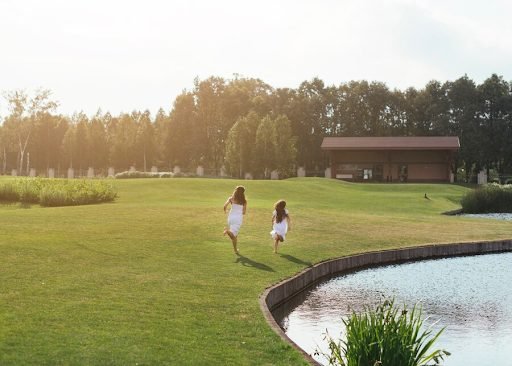
When I first moved into my home, the yard was a blank canvas. I was excited to turn it into the lush, vibrant outdoor space I’d always dreamed of.
But here’s the thing: I quickly learned that creating a landscape isn’t just about planting a few flowers and calling it a day. A truly great landscape lasts through every season, and designing one takes careful planning, creativity, and a bit of trial and error.
Now, my yard has become my favorite retreat, no matter the time of year.
Today, I’m sharing what I’ve learned about creating a landscape that stands the test of time. With tips you can easily apply to your own outdoor space.
And if you need professional help, finding a reliable landscape service Denver co, can make all the difference.
Why Seasonal Durability Matters
When I first started, I didn’t think about how different seasons would impact my yard. I’d plant something that looked beautiful in spring, only to find it withered or messy by summer. Colorado’s changing seasons—hot summers, chilly falls, and snowy winters—can be tough on a garden.
That’s why planning for seasonal durability is key. A well-designed landscape not only looks good year-round but also saves you time and money on maintenance.
Step 1: Start with a Plan
The first thing I did was sketch out a basic plan for my yard.
Don’t worry—you don’t need to be an artist for this. Just draw a simple layout of your space and start brainstorming ideas.
Questions to Ask Yourself:
- How much sun and shade does each area get?
- What’s the soil like? (You can test this with a simple kit from a garden center.)
- Do you want an outdoor space for entertaining, or just a quiet retreat?
- What’s your budget for plants and materials?
Having a plan made it so much easier to figure out what would work for my yard—and what wouldn’t.
Step 2: Choose Plants That Thrive Year-Round
One of the biggest mistakes I made early on was picking plants purely for how they looked. While aesthetics are important, it’s just as crucial to choose plants that are suited to your climate and can handle different seasons.
My Top Picks for Year-Round Interest:
- Evergreens: These are a lifesaver in winter when everything else looks bare. I planted junipers and boxwoods, which stay lush and green all year.
- Perennials: I love perennials like daylilies and hostas because they come back every year.
- Seasonal Blooms: To keep my yard colorful, I added tulips for spring, daisies for summer, and chrysanthemums for fall.
Pro tip: Group plants with similar watering and sunlight needs together. It makes maintenance so much easier!
Step 3: Add Hardscaping for Structure
Hardscaping—things like pathways, patios, and retaining walls—is the backbone of any landscape. It adds structure and ensures your yard doesn’t look like a jungle of plants.
In my yard, I installed a stone walkway and a small seating area. These features not only look great but also make the space more functional.
Plus, they’re low-maintenance and stand up well to Colorado’s changing weather.
If you’re not sure where to start, a landscape service can help you design and install hardscaping that fits your space and budget.
Step 4: Focus on Seasonal Maintenance
A lasting landscape doesn’t just happen—you have to take care of it! Over time, I’ve developed a simple seasonal routine to keep my yard looking its best.
Spring:
- Clean up debris and dead plants from winter.
- Mulch around plants to lock in moisture.
- Fertilize your lawn and garden beds.
Summer:
- Water regularly, especially during dry spells.
- Prune overgrown plants to keep them healthy.
- Watch for pests and treat them promptly.
Fall:
- Rake leaves and add them to your compost pile.
- Plant bulbs for spring flowers.
- Protect sensitive plants with burlap or covers.
Winter:
- Trim dead branches to prevent snow damage.
- Clear snow from pathways and patios to avoid slipping hazards.
- Dream about all the new plants you’ll add next year!
Step 5: Don’t Forget About Lighting
Outdoor lighting was something I overlooked at first, but it’s a game-changer. Not only does it make your yard safer, but it also creates a magical ambiance.
I installed solar-powered path lights and string lights around my patio. They’re energy-efficient and easy to set up, and they make my yard feel inviting even on dark winter evenings.
Step 6: Incorporate Sustainable Practices
If you want your landscape to last, sustainability is key. Here are a few things I’ve done to make my yard more eco-friendly:
- Rain Barrels: I use these to collect rainwater for irrigation.
- Native Plants: These require less water and are better adapted to local conditions.
- Composting: I turn kitchen scraps and yard waste into nutrient-rich soil.
Not only do these practices save money, but they’re also great for the environment.
The Role of Professional Help
While I love working on my yard, there were some things I couldn’t do on my own. For example, I needed help with the hardscaping and selecting plants that would thrive in Colorado’s unique climate. That’s where hiring a landscape service in Denver, CO, came in handy.
A good landscaping professional can save you time, help you avoid costly mistakes, and bring your vision to life.
Final Thoughts
Designing a landscape that lasts through every season might seem daunting, but trust me, it’s worth the effort. By starting with a plan, choosing the right plants, and focusing on maintenance, you can create a yard that’s both beautiful and functional all year long.
Whether you’re a DIY enthusiast or need the help of a landscape expert, the key is to think ahead and design with all four seasons in mind.
My yard has become more than just a patch of grass—it’s a space where I can relax, entertain, and enjoy nature no matter the time of year.
And if I can do it, so can you!