
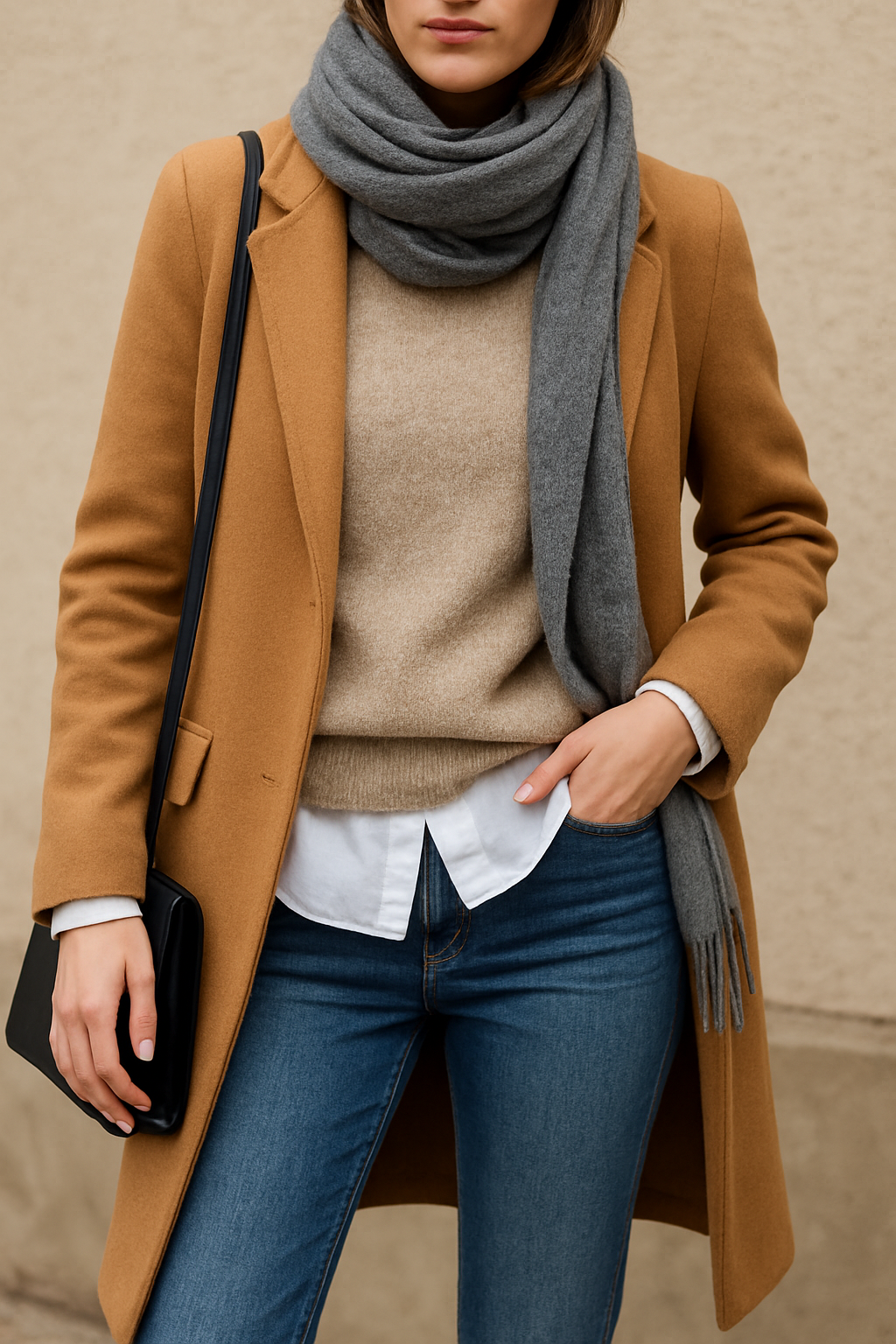
The Art of Layering: Styling Tips for Transitional Seasons
Key Takeaways
- Effective layering creates flexibility and style when facing unpredictable weather.
- Understanding garment types, fabrics, and proportions is essential for comfort and elegance.
- Mixing textures and accessorizing add personal flair and depth to outfits.
- Building a versatile wardrobe makes everyday dressing easier during seasonal changes.
Why Layering Matters in Transitional Weather
As spring gives way to summer or autumn gradually welcomes winter, dressing for the day can leave many feeling stumped. Temperatures are often unpredictable, with crisp mornings, warm afternoons, and chilly evenings all possible in a single day. This variability means that our outfits must be as adaptable as the weather, balancing style and comfort while remaining practical. Mastering the art of layering is an essential skill for fashion-conscious individuals who value both style and functionality. By learning to assemble outfits in thoughtful layers, you can swiftly add or remove pieces to match any sudden change in temperature, ensuring comfort no matter what’s on the horizon. The right layering strategy not only keeps you comfortable throughout the day but also allows you to curate endless outfit options effortlessly, giving you more value from your wardrobe and sparking creativity with your daily dressing.
Learning to mix and match layers gives you the flexibility to adapt instantly. For those hoping to keep their wardrobe fresh and versatile as the seasons shift, discovering style inspiration from a trusted Chicago fashion retailer can offer curated pieces, smart styling ideas, and trend-forward layering staples for every closet. By following the guidance of fashion experts and exploring store collections, you can add both staple items and statement pieces to create a layered look that reflects your personality and adapts to varying weather throughout the day.
Understanding the Basics of Layering
Layering is a fashion strategy that involves three main components: a base layer, a mid layer, and an outer layer. The base layer is a garment that sits directly against the skin, providing moisture control and acting as a second skin. It can be a lightweight, breathable fabric like cotton or moisture-wicking synthetics. The mid layer provides insulation and warmth, such as cozy sweaters, chic cardigans, or vests made from wool or fleece. The mid layer can also introduce color, texture, and detail. The outer layer is the final piece that shields the wearer from wind, rain, or cold weather. It can be statement-making yet practical, allowing the wearer to showcase personal style while addressing outside conditions. This strategic approach ensures a polished and dynamic ensemble. Thoughtful layering allows for daily flexibility, adapting easily to changing temperatures. Mixing different fabrics and weights prevents bulkiness while maintaining comfort. Accessories like scarves or hats can be incorporated within these layers for added warmth and style. Additionally, layering encourages creativity, inviting experimentation with combinations and contrasts. Ultimately, mastering layering enhances both functionality and fashion in everyday dressing.
Choosing the Right Fabrics
Layering is a crucial aspect of clothing, as each material serves a specific purpose throughout the day. Breathable materials like cotton and merino wool help regulate temperature, manage moisture, and avoid discomfort. Moisture-wicking fabrics like polyester or synthetics draw sweat away from the body, making them ideal for active lifestyles or high humidity. Insulating fabrics like fleece and wool provide warmth without bulk, allowing for adaptability to colder spells and extending the wearability of lighter pieces. By choosing fabrics suited for layering, each item works in harmony with the rest of your wardrobe, allowing you to create both practical and stylish outfits. Understanding fabric properties also helps prevent overheating or excessive sweating, ensuring comfort in varying environments. Lightweight layers can be easily added or removed, offering versatility during unpredictable weather. Natural fibers often offer better breathability and odor resistance, enhancing overall wearability. Combining synthetic and natural materials can optimize performance and comfort in different settings. Ultimately, fabric choice is key to achieving a balanced layered look that supports both function and fashion.
Mixing Textures and Patterns
Layering is a versatile fashion technique that allows for the experimentation of textures, patterns, and structure in your outfits. Combining different finishes and motifs can add unique interest and dimension to your outfits. For instance, a chunky knit pullover with a smooth leather moto jacket can add contrast and edge, while a ribbed base with a structured cotton shirt can create tactile interest. Similarly, a classic striped tee beneath a solid-color statement blazer can keep your look lively but polished. The subtle play of patterns and solids can inject personality without overwhelming the eye. Layering is about expressing individuality and keeping your style fresh across seasons. Mixing unexpected materials, like silk and denim, can elevate everyday looks with sophistication. Playing with proportions—such as pairing oversized pieces with fitted layers—adds depth and balance to an outfit. Accessories like textured scarves or patterned socks can further enhance the layered effect. Experimenting with color combinations, whether complementary or contrasting, keeps ensembles dynamic and engaging. Ultimately, layering invites creativity, encouraging you to develop a signature style that evolves with your tastes. It’s a fun, practical way to make the most of your wardrobe while standing out confidently.
Balancing Proportions
Balancing silhouette is crucial in layering, as too much volume or length can create a bulky look and too little limits styling options. To maintain a streamlined appearance, choose a snug base layer to avoid excessive bulk and keep it trim. To add visual depth and movement, experiment with layer lengths, such as allowing a long cardigan to peek out beneath a hip-length coat or jacket. Varying hem lengths of each piece can draw the eye down and add flow, minimizing heaviness and allowing the ensemble to look intentional. Learning to balance proportion doesn’t require fashion expertise; it’s about trusting instincts and using mirrors or photos to refine your sense of what works well with your frame and style sensibility.
Accessorizing Thoughtfully
Layered outfits require finishing touches, such as lightweight scarves that add color and dimension, belts that define silhouettes, and hats and gloves that provide self-expression and polish. Scarves can be a focal point or a fresh pop, while belts can transform loose sweaters, cardigans, or dresses into figure-flattering looks. Hats and gloves offer warmth and personality, while knit beanies, berets, structured fedoras, or leather gloves add personality to cool-weather outfits or transitional looks. Accessorizing is not just about function; it’s a way to inject your unique character into any outfit, regardless of the season. Choosing accessories that complement your personal style can elevate even the simplest ensembles. Mixing textures and patterns in your accessories creates visual interest and depth. Don’t be afraid to experiment with bold colors or statement pieces to express your mood or creativity. Thoughtful layering of accessories can also help balance proportions and draw attention to your best features. Finally, investing in high-quality accessories ensures they withstand frequent use and maintain their impact over time.
Practical Tips for Layering
To create a comfortable wardrobe, start with thin layers, gradually adding heavier items as needed. The lightest garments should be closest to your skin, gradually working towards heavier outerwear. Ensure mobility by coordinating with other pieces for a full range of movement. Be prepared to adjust layers as you transition from morning to evening or from indoor to outdoor environments. Carry a tote or stylish backpack for easy storage. Practice makes perfect, as more combinations are experimented with, enhancing your wardrobe skills for any weather forecast. Choosing breathable fabrics for your base layers helps regulate temperature and keeps you comfortable throughout the day. Don’t forget to incorporate versatile scarves or shawls that can be easily added or removed to modify warmth. Footwear also plays a key role; selecting shoes that are both practical and stylish complements your layered look. Investing time in planning outfits ahead can save stress on busy mornings. Over time, you’ll develop a keen sense of which pieces work best together, streamlining your daily dressing routine. Finally, always consider the occasion and dress accordingly, using layers to balance comfort and formality.
Building a Versatile Layering Wardrobe
A well-planned wardrobe allows for efficient layering and a stylish look. Investing in neutral-colored basics like tees, tanks, and lightweight sweaters is essential for a mix-and-match system. Multi-functional outerwear like trenches, denim jackets, blazers, bomber jackets, and raincoats can transition day to night. Quality fabrics, such as durable materials, ensure frequent layering doesn’t diminish their appearance. This approach ensures your wardrobe can withstand heavy rotation and repeated washings, making it a versatile and practical choice.
Additionally, incorporating timeless accessories like scarves and belts can add dimension without overwhelming your outfit. Attention to fit is crucial, as well-tailored pieces enhance comfort and silhouette. By prioritizing versatility, you reduce clutter and simplify daily outfit decisions. This method not only saves time but also encourages mindful consumption and sustainability. Ultimately, a thoughtfully curated wardrobe supports confidence and adaptability in any setting.