
From Invisible to Empowered: The Movement Helping Women Over 50 Reclaim Their Confidence, Health and Purpose
Losing weight sustainably is no small feat, especially for women over 50. Registered dietitians like Alex Neilan point out that older women face unique challenges when it comes to sustainable weight loss. This is primarily because menopause can cause women to experience substantial metabolic, hormonal and psychological changes.
General practitioners often oversimplify the issue by advising women to “eat less and move more.” While well‑intentioned, that advice alone is rarely sufficient for women over 50. By this stage of life, behavioural patterns are deeply established, responsibilities are significant, injury and medical history influence physical capacity, and hormonal shifts affect appetite, recovery and body composition. Metabolic rate also naturally declines with age, among other physiological changes. For these reasons, a more nuanced and structured approach is required.
What’s more, louder voices, such as those of influencers under 30, drown out this information and replace it with wellness advice better suited to younger people. This imbalance of information inevitably leaves women over 50 behind.
That isn’t to say that there are no options available, however. Alex and other wellness experts note that, for older individuals, lasting change comes from a place of empathy and multi-disciplinary support rather than pure physical perseverance. By adhering to weight-loss strategies that emphasise building mental and physical strength, women over 50 can effectively address the physical components of sustainable weight loss.
Why an Empathy-Led Approach Matters
Programmes like Alex’s Sustainable Change are built on the understanding that while nutrition and exercise are the vehicles for weight loss, behaviour is the driver. Results are not determined by knowledge alone, but by the patterns that influence daily decisions.
That means identifying and restructuring unhelpful habits such as downplaying the problem, constantly putting others first, overthinking simple actions, procrastinating until conditions feel perfect, or slipping into self‑sabotage just as progress begins. It also addresses black‑and‑white thinking and the all‑or‑nothing mentality that can turn minor setbacks into complete derailments.
Without deliberately addressing these behavioural patterns, even the most scientifically sound plan will struggle to stick. Sustainable change comes from building systems and decision‑making frameworks that make consistency practical, repeatable and resilient in real life.
Alex dealt with weight struggles of his own earlier in life, and he now uses those experiences to help people address deep-rooted challenges like low self-esteem, chronic illness, joint pain, emotional eating and depression. All of these are symptoms that may be weight-related.
Alex also emphasises the importance of access to a multidisciplinary team of professionals, as insights from qualified dietitians, psychologists, physiotherapists and psychologists can shed light on the same set of issues from multiple perspectives. This helps paint a more complete picture of where a given health problem comes from and what can be done to address it in a sustainable way.
The Necessity of Behavioural Change
Focusing on behavioural restructuring may sound less dramatic than extreme diets or intense exercise plans, but programmes like Sustainable Change consistently demonstrate that long-term results depend on it. When individuals learn how to adjust ingrained patterns, improve decision-making under pressure and build repeatable systems, progress becomes more stable and predictable.
Rather than relying on motivation, the emphasis is placed on practical behavioural shifts that support consistency. This is what allows results to last beyond a short-term programme and translate into measurable, sustained outcomes.
Alex shares the story of one client who was given a prognosis of paralysis. Rather than accepting that outcome as final, she committed to a structured process of rehabilitation, strength development and consistent behavioural change. Over time, she not only returned to walking, but at 70 years old went on to complete a skydive.
He describes her transformation not as a moment of sudden inspiration, but as the result of disciplined action, rebuilt belief and a refusal to define herself by a diagnosis. It was that steady shift in standards and daily habits that ultimately enabled her physical transformation.
He aims to help others pursue health, happiness and longevity in the same way through initiatives like “The Widows Walk” and other philanthropic efforts as a means of showcasing the importance of supporting physical development with mental growth.
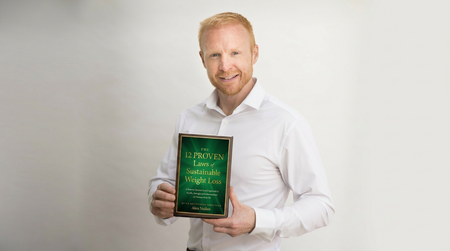
Alex’s new book, The 12 Proven Laws of Sustainable Weight Loss, likewise offers practical, evidence-based strategies that address the lifestyle realities women over 50 face. It emphasises behaviour change and cognitive restructuring as more feasible and sustainable approaches to weight loss than strict dieting.
Putting Sustainable Weight Loss Within Reach
Given how prevalent weight loss solutions like injections and harsh workout regimens are across social media and other media outlets, it’s little surprise that those methods reach audiences that cannot realistically pursue them. Women over 50 are perhaps the most notable audience among this group, as their bodies have to contend with unique challenges stemming from menopause and other age-related difficulties.
The success of the Sustainable Change Programme demonstrates that sustainable weight loss and meaningful physical improvement remain entirely achievable for women over 50. When the approach accounts for behavioural patterns, physiological changes and the practical demands of midlife, progress becomes both realistic and repeatable.
By focusing on structured habit formation, clear decision-making frameworks and strategies that work within the pressures of real life, women over 50 can pursue better health, greater energy, renewed strength and independence, and long-term vitality with confidence.