
Luxury Fragrance Without the Luxury Price Tag: The Appeal of Perfume Sampling
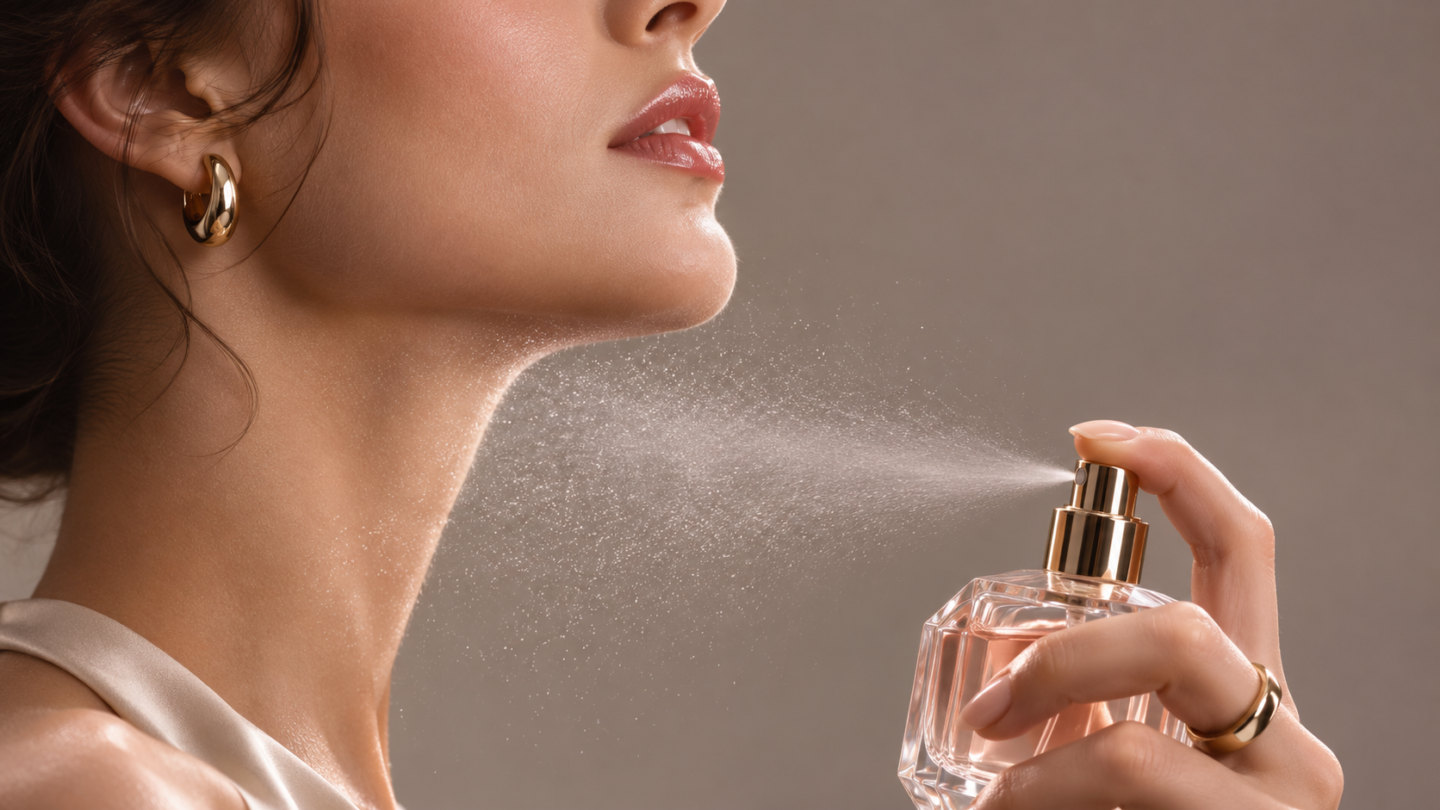
There’s a special kind of excitement in discovering a new perfume. Maybe it’s the bottle that catches your eye, a recommendation from someone whose taste you trust, or a scent you try while wandering through a department store. Then you look at the price of the full bottle, and the decision becomes a little less spontaneous.
Luxury perfume can be expensive, especially if you’re curious about several brands at once. And unlike a handbag or a pair of shoes, a fragrance doesn’t reveal everything about itself the moment you try it. What smells wonderful at first might not be quite right after a few hours.
That’s where sampling comes in. It lets you enjoy the part that matters most, actually wearing the perfume, before deciding how much you want to spend on it.
The Experience Matters More Than the Bottle
Beautiful packaging is part of the appeal of luxury fragrance. But once you’ve sprayed a perfume, the box and bottle are no longer doing the work. You’re noticing how the scent changes, how comfortable it feels and whether you still want to wear it later in the day.
A fragrance might open with bright citrus, soften into white flowers and eventually settle into warm woods or musk. Another might begin sweet and become noticeably drier as it develops. Those changes are difficult to judge from the first spray at a busy fragrance counter.
Buying a full-size bottle just to find out whether you like the whole experience can be an expensive experiment. A small sample gives you room to be curious without putting so much money on the line.
It’s also a simple way to avoid an all-too-familiar situation: a gorgeous bottle on your dressing table that you barely reach for.
What Different Sample Sizes Are Good For
Not every small perfume bottle serves the same purpose. The size you choose can depend on whether you’re meeting a fragrance for the first time or already know you enjoy it.
A 2ml sample is a sensible starting point when you’re curious about a scent and want to try it on your own skin. Depending on how much you spray, it can allow more than one wear, enough to get beyond a fleeting shop-counter impression.
A 5ml sample gives you more freedom to revisit a fragrance. You can try it on an ordinary workday, wear it out for dinner or see how you feel about it in different weather.
If you’ve already grown fond of something but don’t wear it constantly, 10ml can be a useful middle ground. You get to keep it in your rotation without paying for a much larger bottle.
Smaller sizes aren’t necessarily the cheapest option per millilitre. That’s an important distinction. You’re paying for flexibility and a lower upfront cost, not always the lowest unit price. For many fragrance lovers, that trade-off makes sense.
A Perfume Needs More Than One First Impression
Online reviews are helpful, particularly when you’re trying to narrow down a long wish list. But fragrance descriptions can only take you so far.
One person’s comforting vanilla might be another person’s overly sweet perfume. A scent that earns praise for being bold could feel too noticeable for someone who prefers to keep their fragrance close to the skin. Neither opinion is wrong; they’re simply describing different preferences.
Even your own impression can change. You may love the sparkling first few minutes of a fragrance and find the dry-down less interesting. Or you might be unsure about its opening, only to enjoy it more once the softer notes emerge.
With a sample at home, you can find out what happens after the excitement of that first spray. Wear it for a few hours. Try it again another day. Notice whether you keep smelling your wrist because you love it, or whether you’re relieved when it fades.
Those little observations are much more useful than buying something because it’s trending.
Explore Beyond the Brands You Already Know
Sampling is also a good excuse to step outside your usual fragrance habits. You might be loyal to a particular fashion house, or perhaps your collection has slowly become a lineup of similar sweet or fresh scents.
Designer fragrances from houses such as Dior, Chanel, Prada and Yves Saint Laurent span far more styles than their familiar names might suggest. There are easygoing daytime scents, rich evening perfumes and plenty of choices in between.
Niche brands offer another avenue to explore. Some place an unusual ingredient or creative idea at the centre of a composition, although niche doesn’t automatically mean unusual or better.
Middle Eastern fragrance houses are worth discovering, too. You may come across oud, amber, spices and musks, alongside modern fruity, fresh and gourmand compositions. There’s no single scent profile that represents an entire region.
The labels are useful for browsing, but they shouldn’t limit you. A fragrance from a brand you’ve never heard of could become your favourite. Equally, you might discover that the designer perfume you’ve admired for years really is the one you want.
Trying a few different styles gives you a better basis for that choice than reputation or packaging alone.
What’s the Difference Between a Sample and a Decant?
The words sample and decant often appear together, but there’s a distinction worth knowing before you order.
An official sample is produced or supplied by the fragrance brand, usually in a small vial. A decant is a portion of perfume transferred from an original bottle into a separate, smaller container, often a spray atomiser.
Both let you test a fragrance, but the packaging and preparation are different. A decant shouldn’t be presented as a factory-sealed miniature or as an official brand sample if it isn’t one.
When choosing a seller, look for clear information about the fragrance, the amount you’re purchasing and how the product is supplied. Secure, suitable packaging matters as well, especially for something you’ll carry in a bag or use while travelling.
The point is to know exactly what you’re buying. That makes it easier to choose a small size that suits your habits, whether you’re testing something new or keeping an occasional favourite on hand.
Finding Fragrances You Can’t Easily Test in Person
It’s easier than ever to read about perfume. You can compare note lists, watch reviews and find detailed discussions of new releases before they’ve even reached your local shops.
Actually trying those fragrances is another matter. Department stores tend to stock familiar lines, while smaller or less widely distributed brands may be harder to find. And not everyone lives close to a specialist perfume counter.
Online samples help bridge that gap. They let people explore fragrances at home instead of travelling to several stores or buying a full bottle without testing it first.
This becomes particularly useful across large countries, where shopping options can vary dramatically between major cities and regional towns. Australia is a good example: what you can test in person in a city centre may be much harder to find elsewhere.
For shoppers looking for affordable perfume samples or decants in Australia, smaller-format fragrance retailers provide another way to try different scent styles before making a full-bottle purchase.
That doesn’t replace the pleasure of visiting a perfume counter. It simply gives you another option, particularly when the scent you’re interested in isn’t available nearby.
How to Make the Most of a Sample
The temptation, when a handful of new fragrances arrives, is to spray them all at once. It’s fun, but you’ll learn more by taking your time.
Choose one fragrance and apply it to clean skin. Notice what stands out straight away, then get on with your day. Check in with it later rather than constantly trying to analyse every note. How does it smell after an hour? Do you still enjoy it in the afternoon?
If you’ve ordered several samples, try them on separate days. You might begin with a citrus scent, move to a floral, then explore a gourmand or woody fragrance. The contrast can help you work out which styles you naturally gravitate towards.
Give promising scents a second wear before making a decision. Temperature, the amount you apply and the setting can influence your experience. Something that feels perfect for an evening out might be more than you want at work, and that’s useful to know.
You don’t need an elaborate fragrance journal. A few notes on your phone about what you liked, what surprised you and whether you’d wear it again are often enough.
When Does a Full Bottle Make Sense?
A sample doesn’t have to lead to a purchase. Sometimes you enjoy trying a fragrance, finish the vial and feel no particular need to own more. That’s still a successful discovery.
Other perfumes are different. You find yourself looking forward to wearing them. You reach for the sample without thinking, and when it runs low, you miss having it around.
That’s a much better signal that a full bottle could be worthwhile.
Think about how frequently you’ll wear the perfume and whether the larger size makes financial sense for your habits. A fragrance you use almost every day may be better value in a full bottle. One you wear a few times a year may be perfectly enjoyable in a smaller amount.
There’s no prize for owning the biggest collection. The bottles you actually love and use are the ones worth making space for.
A Little Luxury, on Your Own Terms
The pleasure of perfume isn’t measured in millilitres. It’s in discovering a scent that suits your mood, trying something you wouldn’t ordinarily choose and learning what you genuinely enjoy wearing.
Samples make that process easier to approach. They let you explore designer favourites, niche discoveries and unfamiliar fragrance houses without turning every curiosity into an expensive commitment.
And when you do decide to buy a full bottle, you’ll have a better reason than a beautiful box or a glowing review: you’ve worn the fragrance, lived with it for a while and know you want more.